
-
CASE STUDY: Transforming surgical waitlist into a ‘preparation list’
The DIAMONDS initiative aims to transform the surgical waitlist into a “preparation list,” enabling healthcare professionals to optimise patient care in the months leading up to elective surgery starting at pre-admission phase.
Patients are will be able to complete pre-admission forms online, receive timely updates, and access educational resources to ensure thorough preparation. This will allow staff to spend more time with patients.
-
Investigating invasive lobular carcinoma and metaplastic breast cancer sub-types
Assoc Prof McCart Reed is the scientific lead on an MRFF-funded (Medical Research Future Fund) genomics program investigating the potential for the application of Whole Genome Sequencing in the breast cancer care pathway in Australia, ‘Q-IMPROvE’. She applies genomics and spatial transcriptomics methodologies to archival clinical samples to understand the differences between tumour types and their potential for treatment. Amy is passionate about clinical research, biobanking and precision oncology. In addition to her breast cancer research portfolio, she is on the steering committee for the Brisbane Breast Bank and the Scientific Advisory Board for Breast Cancer Trials.
-
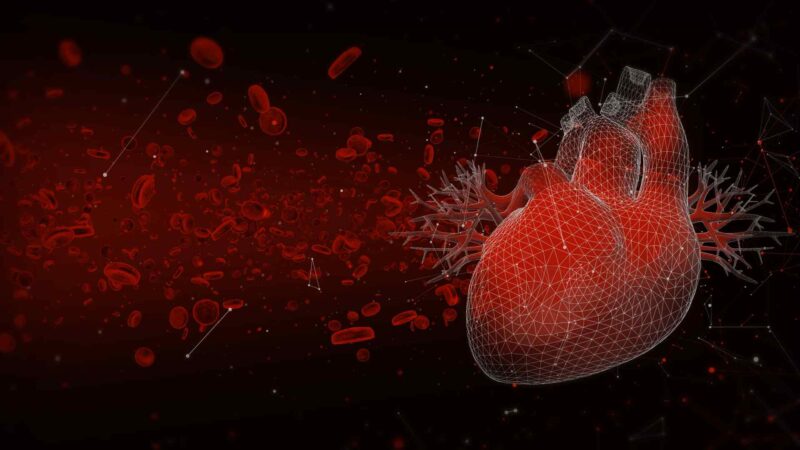
Engineered proteins to repair or regrow damaged heart muscle cells and tissue
Associate Professor Dan Hesselson leads the Centre for Biomedical AI at the Centenary Institute.
He is an internationally trained research leader in regenerative medicine, focusing on cells and organs affected by heart disease, diabetes and cancer. His work uses insights from the study of basic regenerative processes to identify novel therapeutic targets for these devastating diseases.
Post Views:
1,557
Outcomes of Corneal Allergenic Intrastromal Ring Segment (CAIRS) Surgery


Search Researchers / Research
Recent Profiled Researchers
- Influence of gut microbes and inflammation on brain function and behaviour in autism
- Gerontological physiotherapy in falls prevention and prehabilitation
- Applying artificial intelligence to medical imaging for cardiovascular disease detection
- Medication management and quality use of medicines
- Engineered proteins to repair or regrow damaged heart muscle cells and tissue
Categories
- Allied Health 1
- Alzheimer's 2
- Antenatal 1
- Antimicrobial Resistance 1
- Artificial Intelligence 2
- Association 1
- Autism 1
- Bacteria 1
- Behavioural Science 1
- Biochemistry 1
- Biomarkers 1
- Biomaterials 2
- Blood Cancer 2
- Bone Health 3
- Bowel Cancer 3
- Brain 18
- Brain Cancer 1
- Breast Cancer 4
- Burden of Disease 2
- Cancer 19
- Cardiovascular 13
- CASE STUDY 10
- Clinical Trials 3
- Communicable Disease Control 1
- Dementia 11
- Dental 3
- Diabetes 4
- Digital Health / Biomarkers 2
- Ear, Nose, Throat ENT 7
- Emergency Medicine 6
- Europe 2
- Exercise 7
- Eyes 10
- Family Planning 3
- First Nations / Indigenous 1
- First Responders 1
- Frailty 1
- FUNDER PROFILE 1
- Gastrointestinal Tract 5
- General Practice 2
- Genetics 3
- Genomics 3
- Geriatric 1
- Government 2
- Health System Research 5
- Health Systems 1
- Health Workforce 4
- Hypertension 2
- Immunotherapy 6
- Indigenous 1
- Infection Prevention 2
- Infectious Disease 2
- Informatics 1
- Kidney 4
- Leukaemia 6
- LGBTQIA+ 1
- Liver 5
- Lung Cancer 7
- Lymphoma 2
- Materials science 2
- Maternal health 1
- Medical Devices 8
- Medical Technology 3
- Medication 4
- Mental Health 8
- Metabolism 1
- Microbiology 3
- Microbiome 2
- Molecular biology 1
- Muscles 1
- Nanobiotechnology 6
- Neonatal 4
- Neurogastroenterology 1
- Newborn / Neonatal 1
- North America 5
- Nuclear medicine / theranostics 1
- Nutrition 6
- Obesity 1
- Oceania 155
- Oral Health 2
- Oral Medicine 3
- Ovarian Cancer 3
- Pain 1
- Pancreatic cancer 1
- Paramedicine 3
- Pathology 2
- Pediatric / Paediatric 11
- Pediatric Diseases 5
- Photonics/Laser 1
- Physiology 1
- Physiotherapy 1
- Podiatry 3
- Policy and/or position statement 5
- Population 4
- Population – Seniors and Elderly 1
- Population Health 4
- Precision Medicine 1
- Pregnancy and Child Birth 2
- Preoperative 1
- Prostate Cancer 1
- Psychiatry 5
- Rare Genetic Disorders 4
- Regional, Rural and Remote 3
- Research 28
- RESEARCH CAREER PROFILE 1
- RESEARCH IMPACT 4
- RESEARCHER PROFILE 145
- Respiratory 3
- Sarcoma 1
- Sleep 3
- Spinal cord injury 2
- Stem Cells 4
- Stroke care 2
- Surgery 4
- Trauma 1
- Vaccines 4
- Vascular 1
- Worldwide 3