
Kidney

Big data research in maternal, perinatal and renal health epidemiology

Dr Erandi Hewawasam is a Research Fellow at the National Perinatal Epidemiology and Statistics Unit within the Centre for Big Data Research in Health at University of New South Wales (UNSW). Her work focuses on maternal and reproductive health, chronic diseases (e.g., kidney disease, endometriosis), and early-life outcomes. She is the Program Manager for the Fertility Medicine Data Asset for Australia (FM-DATA), an MRFF-funded national infrastructure project linking fertility, hospital, Medicare, pharmaceutical, and perinatal datasets covering more than 40 million individuals. She also coordinates the Early Life Course Platform, integrating around 20 New South Wales and Australian federal administrative datasets to support population health research.
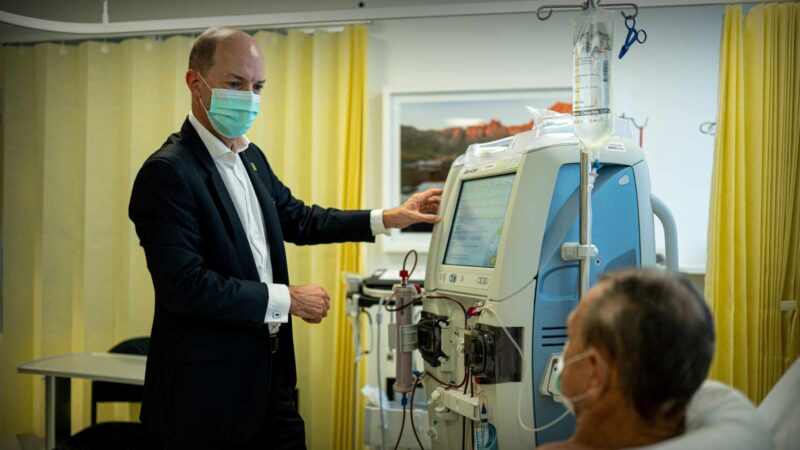
Renal care & data linkage of Tasmanian kidney disease cases

Professor Matthew Jose is a Renal Physician & Head of the Renal Unit at the Royal Hobart Hospital, and Professor of Medicine for the University of Tasmania.

Winner of the 2021 Rural Science Award from the Australia and New Zealand Society of Nephrology, he has worked in regional, rural and remote Australian locations for nearly 20 years as a Renal Physician, including the Northern Territory.

Pregnancy in women with chronic kidney disease

Professor Shilpanjali Jesudason is an academic nephrologist and Head of Department at the Royal Adelaide Hospital’s Central Northern Adelaide Renal and Transplant Service, South Australia. 

From 2017-2020, she was the Clinical Director of Kidney Health Australia, the peak body for patients with kidney disease. In this role she developed a passion for advancing kidney disease education in primary care. 

World-first clinical trial improves patient outcomes for kidney transplants (2023)

A world-first clinical trial conducted at the Royal Adelaide Hospital (RAH) and at hospitals across Australia and New Zealand has identified the best fluid treatment to reduce the risk of patients requiring dialysis after a kidney transplant.

Around one in three people who receive a kidney transplant suffer delayed graft function, which means the transplant doesn’t work immediately and they require dialysis.

The lead-author of the study, was Royal Adelaide Hospital Nephrologist and University of Adelaide researcher, Dr Michael Collins.

Scroll to top