
-
Biomarkers for early sepsis detection
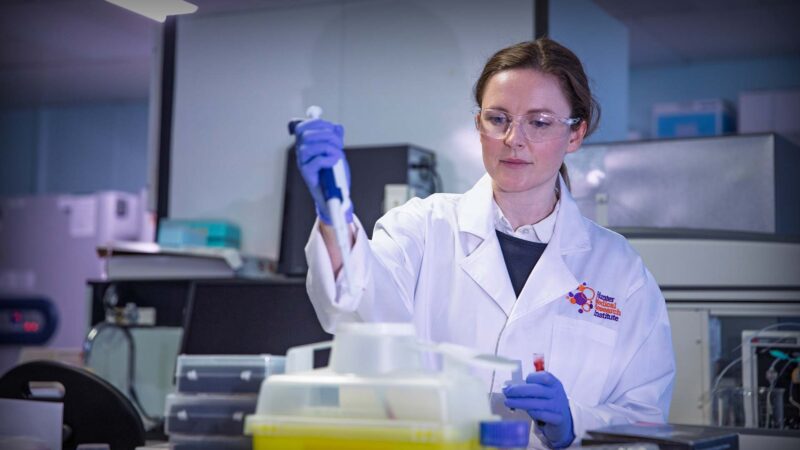
Dr Gabrielle Briggs is a biomedical scientist dedicated to finding smarter, faster ways to diagnose and treat life threatening complications in critically ill patients. Dr Briggs established a research laboratory embedded within the John Hunter Hospital – one of the busiest major trauma centres in NSW. Dr Briggs works alongside surgeons, intensivists, and pathologists to turn complex clinical problems into practical research solutions. Her work spans two major programs: developing a rapid diagnostic test to detect bacterial infections in blood before sepsis takes hold, and exploring mitochondrial transplantation as a novel therapy to rescue injured tissues after trauma and ischaemia.
-
Paramedicine workforce across Australian & New Zealand
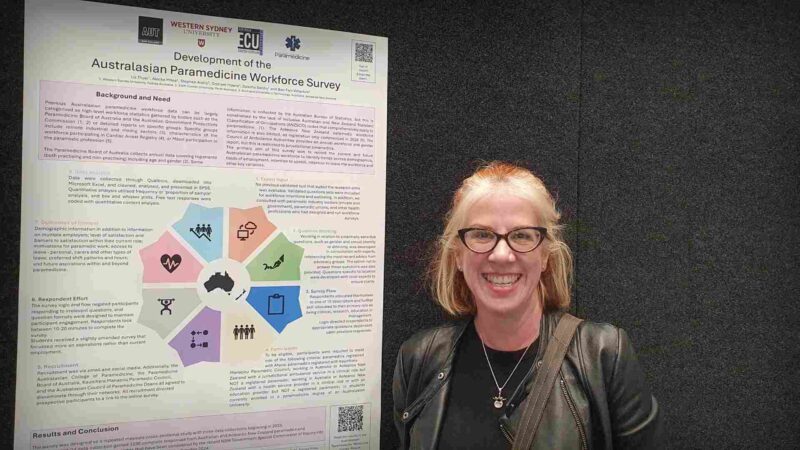
Liz Thyer is an Associate Professor in the Western Sydney University Paramedicine program and is passionate about innovations and excellence in health sciences teaching and learning.
She was an advanced life support paramedic with Ambulance Victoria for 11 years including roles as a clinical instructor and peer support officer. She has previously worked at Victoria University with the Paramedic programs and at Deakin University in Learning Futures.
-
Liver cancer & patient-derived tumour organoids
Dr Benjamin Dwyer is a translational cancer researcher driven by a clear purpose: to ensure discoveries made in the laboratory genuinely improve outcomes for patients.
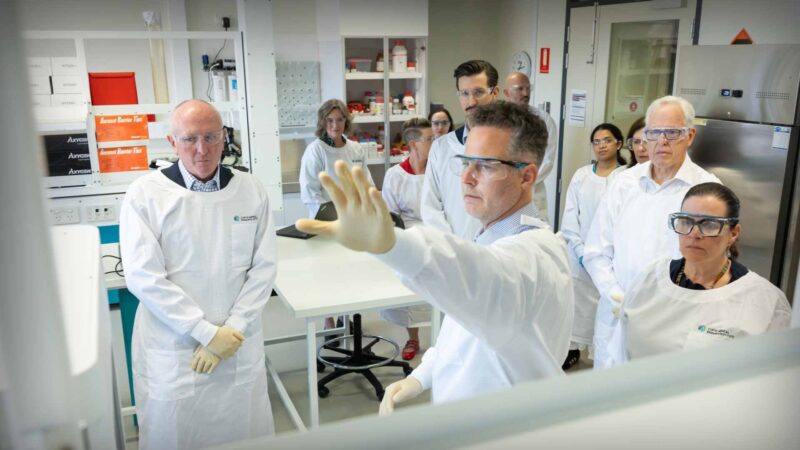
Based at Curtin University, he established and now leads the organoid platform within the Liver Cancer Collaborative and directs the WA Organoid Innovation Hub, working at the intersection of biology, medicine and biotechnology to accelerate new treatments for liver cancer.
Post Views:
8,590
Healthcare associated infection prevention
Search Researchers / Research
Recent Profiled Researchers
Categories
- Allied Health 1
- Alzheimer's 2
- Antenatal 1
- Antimicrobial Resistance 1
- Artificial Intelligence 3
- Association 1
- Autism 2
- Bacteria 1
- Behavioural Science 1
- Biochemistry 1
- Biomarkers 2
- Biomaterials 2
- Blood Cancer 2
- Bone Health 3
- Bowel Cancer 3
- Brain 18
- Brain Cancer 1
- Breast Cancer 4
- Burden of Disease 2
- Cancer 20
- Cardiovascular 15
- CASE STUDY 10
- Clinical Trials 3
- Communicable Disease Control 1
- Dementia 12
- Dental 3
- Diabetes 4
- Digital Health / Biomarkers 2
- Ear, Nose, Throat ENT 7
- Emergency Medicine 6
- Europe 2
- Exercise 7
- Eyes 10
- Family Planning 3
- First Nations / Indigenous 2
- First Responders 1
- Frailty 1
- FUNDER PROFILE 1
- Gastrointestinal Tract 6
- General Practice 2
- Genetics 4
- Genomics 4
- Geriatric 1
- Government 2
- Health System Research 5
- Health Systems 1
- Health Workforce 4
- Hypertension 2
- Immunology 2
- Immunotherapy 7
- Indigenous 1
- Infection Prevention 2
- Infectious Disease 2
- Informatics 1
- Kidney 4
- Leukaemia 6
- LGBTQIA+ 1
- Liver 5
- Lung Cancer 8
- Lymphoma 2
- Materials science 2
- Maternal health 1
- Medical Devices 8
- Medical Technology 3
- Medication 4
- Mental Health 8
- Metabolism 1
- Microbiology 3
- Microbiome 3
- Molecular biology 1
- Muscles 1
- Nanobiotechnology 6
- Neonatal 4
- Neurogastroenterology 2
- Newborn / Neonatal 1
- North America 5
- Nuclear medicine / theranostics 1
- Nutrition 7
- Obesity 1
- Oceania 162
- Oral Health 2
- Oral Medicine 3
- Ovarian Cancer 3
- Pain 1
- Pancreatic cancer 1
- Paramedicine 3
- Pathology 2
- Pediatric / Paediatric 11
- Pediatric Diseases 5
- Photonics/Laser 1
- Physiology 1
- Physiotherapy 1
- Podiatry 3
- Policy and/or position statement 5
- Population 4
- Population – Seniors and Elderly 2
- Population Health 4
- Precision Medicine 1
- Pregnancy and Child Birth 2
- Preoperative 1
- Prostate Cancer 1
- Psychiatry 5
- Rare Genetic Disorders 5
- Regional, Rural and Remote 3
- Research 32
- RESEARCH CAREER PROFILE 1
- RESEARCH IMPACT 4
- RESEARCHER PROFILE 152
- Respiratory 3
- Sarcoma 1
- Sleep 3
- Spinal cord injury 2
- Stem Cells 4
- Stroke care 3
- Surgery 4
- Trauma 1
- Vaccines 4
- Vascular 1
- Worldwide 3