
 https://orcid.org/0000-0003-0038-7391
-
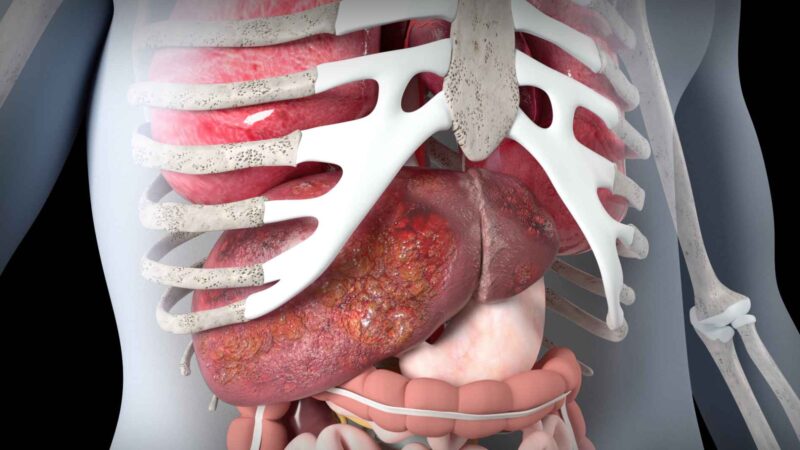
Therapy to prevent hepatocellular carcinoma in people with liver cirrhosis
Professor John Olynyk is a Gastroenterologist & Hepatologist with over 30 years’ experience, primarily at The Fiona Stanley & Fremantle Hospital Group. He planned the Gastroenterology and Hepatology Service for the Fiona Stanley Hospital and was Head Department from 2010 until 2020.
Professor John Olynyk was appointed as Associate Dean and Head of the Medical Discipline at Curtin University in 2023 until 2025 and is now Associate Director, Clinical Engagement, Curtin Medical Research Institute, Curtin University.
-
Next Generation Condom Contraception, Dr David Shepherd
Dr David Shepherd is a Lead Production Engineer and Materials Specialist at Eudaemon Technologies. His journey began at the University of Wollongong, where he pursued advanced studies and eventually obtained a PhD under the guidance of a distinguished professor. His research initially focused on actuating materials and artificial muscles, particularly centred around hydrogel materials. These early explorations have seamlessly evolved into his current focus on utilising hydrogels in the realm of sexual reproductive health, with a specific emphasis on developing innovative hydrogel condoms.
-
Access to dental care for priority populations
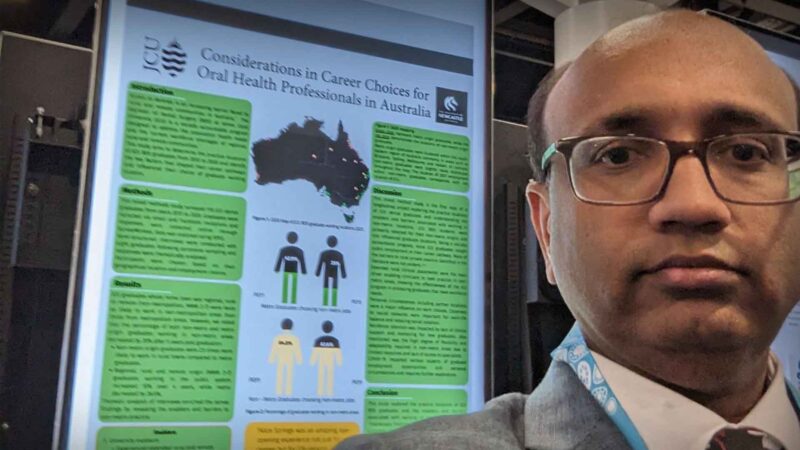
Professor Dileep Sharma is a distinguished dental educator and researcher who currently serves as Professor and Discipline Head of Oral Health at the University of Newcastle, Australia. With over two decades of experience spanning clinical practice, research leadership, and academic mentorship, Professor Sharma has established himself as a leading authority in oral health education and interdisciplinary research.
Post Views:
1,196
Liver cancer biomarkers, risk prediction & progression

Search Researchers / Research
Recent Profiled Researchers
Categories
- Allied Health 1
- Alzheimer's 2
- Antenatal 1
- Antimicrobial Resistance 1
- Artificial Intelligence 3
- Association 1
- Autism 2
- Bacteria 1
- Behavioural Science 1
- Biochemistry 1
- Biomarkers 2
- Biomaterials 2
- Blood Cancer 2
- Bone Health 3
- Bowel Cancer 3
- Brain 18
- Brain Cancer 1
- Breast Cancer 4
- Burden of Disease 2
- Cancer 20
- Cardiovascular 15
- CASE STUDY 10
- Clinical Trials 3
- Communicable Disease Control 1
- Dementia 12
- Dental 3
- Diabetes 4
- Digital Health / Biomarkers 2
- Ear, Nose, Throat ENT 7
- Emergency Medicine 6
- Europe 2
- Exercise 7
- Eyes 10
- Family Planning 3
- First Nations / Indigenous 2
- First Responders 1
- Frailty 1
- FUNDER PROFILE 1
- Gastrointestinal Tract 6
- General Practice 2
- Genetics 4
- Genomics 4
- Geriatric 1
- Government 2
- Health System Research 5
- Health Systems 1
- Health Workforce 4
- Hypertension 2
- Immunology 2
- Immunotherapy 7
- Indigenous 1
- Infection Prevention 2
- Infectious Disease 2
- Informatics 1
- Kidney 4
- Leukaemia 6
- LGBTQIA+ 1
- Liver 5
- Lung Cancer 8
- Lymphoma 2
- Materials science 2
- Maternal health 1
- Medical Devices 8
- Medical Technology 3
- Medication 4
- Mental Health 8
- Metabolism 1
- Microbiology 3
- Microbiome 3
- Molecular biology 1
- Muscles 1
- Nanobiotechnology 6
- Neonatal 4
- Neurogastroenterology 2
- Newborn / Neonatal 1
- North America 5
- Nuclear medicine / theranostics 1
- Nutrition 7
- Obesity 1
- Oceania 162
- Oral Health 2
- Oral Medicine 3
- Ovarian Cancer 3
- Pain 1
- Pancreatic cancer 1
- Paramedicine 3
- Pathology 2
- Pediatric / Paediatric 11
- Pediatric Diseases 5
- Photonics/Laser 1
- Physiology 1
- Physiotherapy 1
- Podiatry 3
- Policy and/or position statement 5
- Population 4
- Population – Seniors and Elderly 2
- Population Health 4
- Precision Medicine 1
- Pregnancy and Child Birth 2
- Preoperative 1
- Prostate Cancer 1
- Psychiatry 5
- Rare Genetic Disorders 5
- Regional, Rural and Remote 3
- Research 32
- RESEARCH CAREER PROFILE 1
- RESEARCH IMPACT 4
- RESEARCHER PROFILE 152
- Respiratory 3
- Sarcoma 1
- Sleep 3
- Spinal cord injury 2
- Stem Cells 4
- Stroke care 3
- Surgery 4
- Trauma 1
- Vaccines 4
- Vascular 1
- Worldwide 3