INDIGENOUS AUSTRALIAN HEALTH AND EAR DISEASE
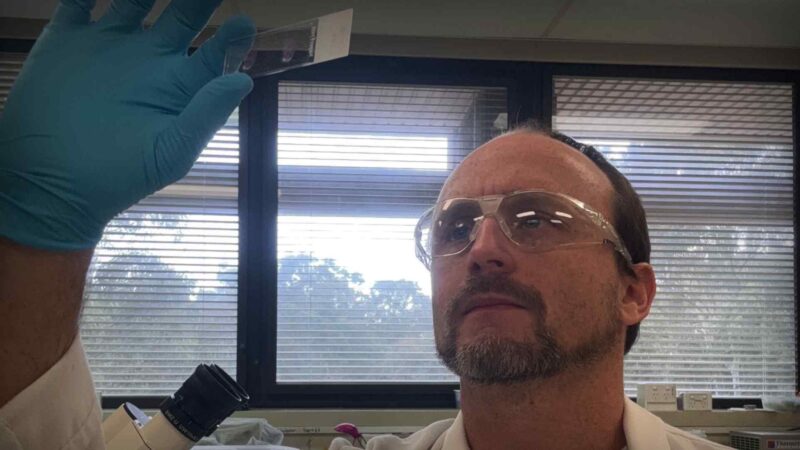
Professor Kelvin Kong AM,
Royal Australasian College of Surgeons Fellow Otolaryngology, Head and Neck Surgeon Worimi Nation, Australia &
School of Medicine and Public Health, University of Newcastle, Australia &
Honorary Professor, Macquarie University &
Adjunct Professor, University of NSW, Australia
RESEARCHER PROFILE
Filmed in Newcastle, NSW, Australia | October 2025
Professor Kelvin Kong feels incredibly fortunate to lead a fulfilling life surrounded by his loved ones. With a demonstrated history of service in the health industry, he brings a wealth of expertise across various sectors including clinical research, medical education, surgery, paediatrics, health policy, and Indigenous education. Kelvin started his university, residing at New College in 1992, which brings him fond memories. Graduating from medicine from the University of NSW, Kelvin continued his studies and became a fellow of the Royal Australasian College of Surgeons (RACS) and Australian Society of Otolaryngology, head & neck Society (ASOHNS).
Based in Newcastle on Awabakal and Worimi Country, Kelvin specialises in Paediatric & Adult Otolaryngology, Head & Neck Surgery. His practice encompasses a diverse range of adult and paediatric patients, with a particular interest in Paediatric Airway and Cochlear Implantation.
Beyond his clinical work, Kelvin is deeply committed to community service. His dedication to improving health outcomes extends to his role as a Professor at the University of Newcastle’s School of Medicine and Public Health, as well as his Honorary Professorships at Macquarie University and Associate Professorships UNSW. He established the Muku (Ear) Indigenous Ear Research program and strongly involved in many facets of research, particularly in relation to engaging community in research and creating career pathways. He is the senior examiner of the ORL Mini-court for RACS and member of the National Ear and Hearing Health Partnership Committee to highlight a few.
Hailing from the Worimi people of Port Stephens, NSW, Kelvin’s heritage informs his passion for health and education improvement initiatives. He remains grounded by the support of his family, who continue to inspire him in his efforts to give back to the community. Through his advocacy, research, and clinical practice, Kelvin strives to make a positive impact on the lives of others, guided by his commitment to equity and the well-being of all.
Source: Supplied
https://orcid.org/0000-0002-8384-0149
You Might also like
-
Treatment pathways for chronic plantar heel pain
Jason Rogers is a Tasmanian physiotherapist clinician-researcher with a longstanding interest in improving musculoskeletal foot and ankle conditions. He completed his PhD at the Menzies Institute for Medical Research at the University of Tasmania in 2022 investigating the clinical and imaging factors associated with a common foot complaint known as chronic plantar heel pain.
-
Exercise program for the prevention of osteoporotic fracture
Dr Beck is an international leader in the effects of mechanical loading on bone health. Dr Beck graduated from The University of Queensland (BHMS[Ed]) and the University of Oregon (MSc and PhD) and completed a postdoctoral research fellowship in the Stanford University School of Medicine (California, USA.) She is a Professor of Exercise Science at Griffith University Gold Coast campus, where she has led the Bone Densitometry Research Laboratory since 2004.
-
Benefits of prehabilitation ahead of surgery
Dr Matthew Wallen PhD, AES, AEP is a Senior Research Fellow in Cancer Survivorship, the Deputy Lead of the Cancer Survivorship Program, and a Senior Lecturer in Exercise Science and Clinical Exercise Physiology within the College of Nursing and Health Sciences at Flinders University, in South Australia. His clinical interest focuses on improving outcomes for people requiring major surgery, specifically (1) lifestyle interventions, including exercise, nutritional, and psychological support to improve the health and wellbeing of people prior to surgery, termed ‘prehabilitation’, (2) novel physical function assessments aimed at identifying people at risk of treatment-related complications, and (3) implementation of new models of care in cancer.