
-
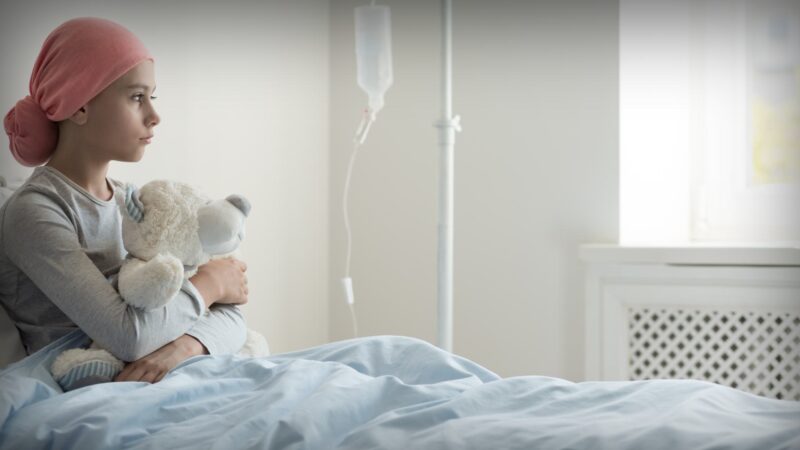
Leukaemia microenvironment & high risk childhood leukaemia
Associate Professor Laurence Cheung is now an Associate Professor at the Curtin Medical School as well as Curtin Medical Research Institute, and a Co-head of the Leukaemia Translational Research Laboratory at The Kids.
He has attracted over $8.7 million in research funding, including 16 awards as CIA (over $6.1 million). Assoc Prof Cheung was named the 2019 Cancer Council of WA Early Career Cancer Researcher of the Year and received the STEM Early Career Research Award at Curtin University in 2019.
-
Precision and personalised nutrition
Laureate Professor Clare Collins is helping people access effective medical nutrition therapies that significantly reduce their risk of chronic disease. She and her team are developing innovative technologies, including apps and online programmes.
-
Health and economic burden of interstitial lung diseases
Dr Cox’s main research interests focus on respiratory diseases and primarily on the economic burden and economic evaluation of interventions and treatments for their management. She earned her PhD from the University of Tasmania where her doctoral research examined the health and economic burden of idiopathic pulmonary fibrosis (IPF) in Australia, one component of the NHMRC Centre for Research Excellence for Pulmonary Fibrosis, a national project implemented alongside the Australian IPF Registry and the Lung Foundation Australia. This research provided the first epidemiological profile and first costing estimates of the economic burden of the disease in Australia, providing essential evidence for health service reimbursement policies.
Post Views:
1,651
Muscle Cell Communication and Repair


Search Researchers / Research
Recent Profiled Researchers
Categories
- Allied Health 1
- Alzheimer's 2
- Antenatal 1
- Antimicrobial Resistance 1
- Artificial Intelligence 3
- Association 1
- Autism 2
- Bacteria 1
- Behavioural Science 1
- Biochemistry 1
- Biomarkers 2
- Biomaterials 2
- Blood Cancer 2
- Bone Health 3
- Bowel Cancer 3
- Brain 18
- Brain Cancer 1
- Breast Cancer 4
- Burden of Disease 2
- Cancer 20
- Cardiovascular 15
- CASE STUDY 10
- Clinical Trials 3
- Communicable Disease Control 1
- Dementia 12
- Dental 3
- Diabetes 4
- Digital Health / Biomarkers 2
- Ear, Nose, Throat ENT 7
- Emergency Medicine 6
- Europe 2
- Exercise 7
- Eyes 10
- Family Planning 3
- First Nations / Indigenous 2
- First Responders 1
- Frailty 1
- FUNDER PROFILE 1
- Gastrointestinal Tract 6
- General Practice 2
- Genetics 4
- Genomics 4
- Geriatric 1
- Government 2
- Health System Research 5
- Health Systems 1
- Health Workforce 4
- Hypertension 2
- Immunology 2
- Immunotherapy 7
- Indigenous 1
- Infection Prevention 2
- Infectious Disease 2
- Informatics 1
- Kidney 4
- Leukaemia 6
- LGBTQIA+ 1
- Liver 5
- Lung Cancer 8
- Lymphoma 2
- Materials science 2
- Maternal health 1
- Medical Devices 8
- Medical Technology 3
- Medication 4
- Mental Health 8
- Metabolism 1
- Microbiology 3
- Microbiome 3
- Molecular biology 1
- Muscles 1
- Nanobiotechnology 6
- Neonatal 4
- Neurogastroenterology 2
- Newborn / Neonatal 1
- North America 5
- Nuclear medicine / theranostics 1
- Nutrition 7
- Obesity 1
- Oceania 162
- Oral Health 2
- Oral Medicine 3
- Ovarian Cancer 3
- Pain 1
- Pancreatic cancer 1
- Paramedicine 3
- Pathology 2
- Pediatric / Paediatric 11
- Pediatric Diseases 5
- Photonics/Laser 1
- Physiology 1
- Physiotherapy 1
- Podiatry 3
- Policy and/or position statement 5
- Population 4
- Population – Seniors and Elderly 2
- Population Health 4
- Precision Medicine 1
- Pregnancy and Child Birth 2
- Preoperative 1
- Prostate Cancer 1
- Psychiatry 5
- Rare Genetic Disorders 5
- Regional, Rural and Remote 3
- Research 32
- RESEARCH CAREER PROFILE 1
- RESEARCH IMPACT 4
- RESEARCHER PROFILE 152
- Respiratory 3
- Sarcoma 1
- Sleep 3
- Spinal cord injury 2
- Stem Cells 4
- Stroke care 3
- Surgery 4
- Trauma 1
- Vaccines 4
- Vascular 1
- Worldwide 3