
 https://orcid.org/0000-0002-9088-4799
-
Earlier identification and early intervention for children who are deaf or hard of hearing
As Director of NextSense Institute, Professor Leigh is responsible for leading the not-for-profit organisation’s world-class research and education programs and facilities. He has held a variety of positions in the education of children who are deaf or hard of hearing before entering academia. He holds a degree in Special Education from Griffith University, a Master of Science (Speech and Hearing) from Washington University and a PhD in Special Education from Monash University. In 2001, he was made a Fellow of the Australian College of Educators and in 2014, he was invested as an Officer in the Order of Australia (AO) for distinguished services to the deaf and hard of hearing community.
-
Exercise therapy for metabolic dysfunction-associated steatotic liver disease
Dr Shelley Keating is a Senior Lecturer in Clinical Exercise Physiology and Accredited Exercise Physiologist from the School of Human Movement and Nutrition Sciences at the University of Queensland. With a strong grounding in exercise metabolism and body composition, Dr Keating’s research centres on the utility of exercise as a therapy for obesity and related cardiometabolic conditions, notably metabolic dysfunction-associated steatotic liver disease (MASLD).
-
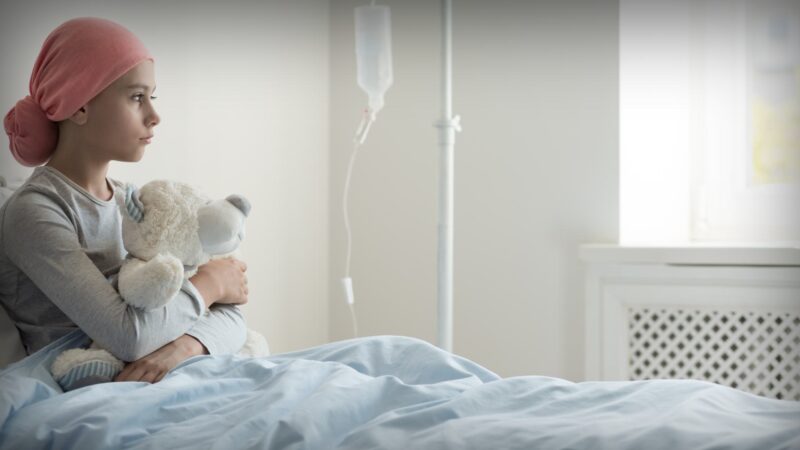
Leukaemia microenvironment & high risk childhood leukaemia
Associate Professor Laurence Cheung is now an Associate Professor at the Curtin Medical School as well as Curtin Medical Research Institute, and a Co-head of the Leukaemia Translational Research Laboratory at The Kids.
He has attracted over $8.7 million in research funding, including 16 awards as CIA (over $6.1 million). Assoc Prof Cheung was named the 2019 Cancer Council of WA Early Career Cancer Researcher of the Year and received the STEM Early Career Research Award at Curtin University in 2019.
Post Views:
442
Metabolic phenotyping, lipidomics & bioinformatics in dementia


Search Researchers / Research
Recent Profiled Researchers
Categories
- Allied Health 1
- Alzheimer's 2
- Antenatal 1
- Antimicrobial Resistance 1
- Artificial Intelligence 3
- Association 1
- Autism 2
- Bacteria 1
- Behavioural Science 1
- Biochemistry 1
- Biomarkers 2
- Biomaterials 2
- Blood Cancer 2
- Bone Health 3
- Bowel Cancer 3
- Brain 18
- Brain Cancer 1
- Breast Cancer 4
- Burden of Disease 2
- Cancer 20
- Cardiovascular 14
- CASE STUDY 10
- Clinical Trials 3
- Communicable Disease Control 1
- Dementia 12
- Dental 3
- Diabetes 4
- Digital Health / Biomarkers 2
- Ear, Nose, Throat ENT 7
- Emergency Medicine 6
- Europe 2
- Exercise 7
- Eyes 10
- Family Planning 3
- First Nations / Indigenous 1
- First Responders 1
- Frailty 1
- FUNDER PROFILE 1
- Gastrointestinal Tract 6
- General Practice 2
- Genetics 3
- Genomics 3
- Geriatric 1
- Government 2
- Health System Research 5
- Health Systems 1
- Health Workforce 4
- Hypertension 2
- Immunology 2
- Immunotherapy 7
- Indigenous 1
- Infection Prevention 2
- Infectious Disease 2
- Informatics 1
- Kidney 4
- Leukaemia 6
- LGBTQIA+ 1
- Liver 5
- Lung Cancer 8
- Lymphoma 2
- Materials science 2
- Maternal health 1
- Medical Devices 8
- Medical Technology 3
- Medication 4
- Mental Health 8
- Metabolism 1
- Microbiology 3
- Microbiome 3
- Molecular biology 1
- Muscles 1
- Nanobiotechnology 6
- Neonatal 4
- Neurogastroenterology 2
- Newborn / Neonatal 1
- North America 5
- Nuclear medicine / theranostics 1
- Nutrition 7
- Obesity 1
- Oceania 160
- Oral Health 2
- Oral Medicine 3
- Ovarian Cancer 3
- Pain 1
- Pancreatic cancer 1
- Paramedicine 3
- Pathology 2
- Pediatric / Paediatric 11
- Pediatric Diseases 5
- Photonics/Laser 1
- Physiology 1
- Physiotherapy 1
- Podiatry 3
- Policy and/or position statement 5
- Population 4
- Population – Seniors and Elderly 1
- Population Health 4
- Precision Medicine 1
- Pregnancy and Child Birth 2
- Preoperative 1
- Prostate Cancer 1
- Psychiatry 5
- Rare Genetic Disorders 4
- Regional, Rural and Remote 3
- Research 32
- RESEARCH CAREER PROFILE 1
- RESEARCH IMPACT 4
- RESEARCHER PROFILE 150
- Respiratory 3
- Sarcoma 1
- Sleep 3
- Spinal cord injury 2
- Stem Cells 4
- Stroke care 3
- Surgery 4
- Trauma 1
- Vaccines 4
- Vascular 1
- Worldwide 3