
 https://orcid.org/0000-0001-6298-5288
-
Treatment pathways for chronic plantar heel pain
Jason Rogers is a Tasmanian physiotherapist clinician-researcher with a longstanding interest in improving musculoskeletal foot and ankle conditions. He completed his PhD at the Menzies Institute for Medical Research at the University of Tasmania in 2022 investigating the clinical and imaging factors associated with a common foot complaint known as chronic plantar heel pain.
-
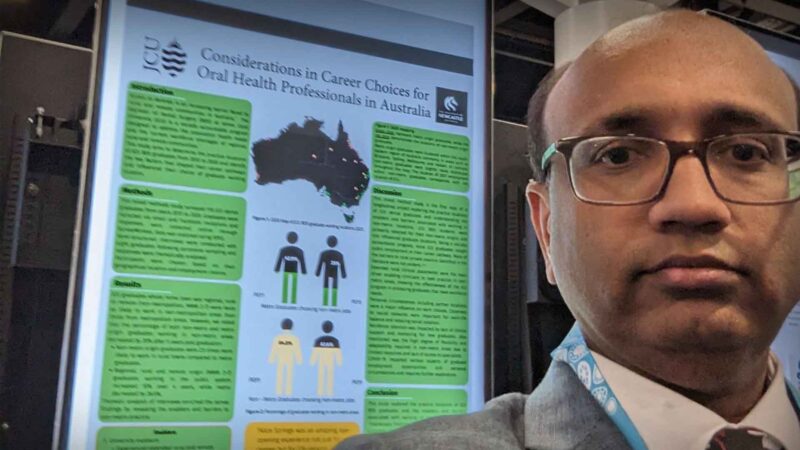
Access to dental care for priority populations
Professor Dileep Sharma is a distinguished dental educator and researcher who currently serves as Professor and Discipline Head of Oral Health at the University of Newcastle, Australia. With over two decades of experience spanning clinical practice, research leadership, and academic mentorship, Professor Sharma has established himself as a leading authority in oral health education and interdisciplinary research.
-
Mental health research on first responders in regional, rural and remote Australia
Dr Rikki Jones has been awarded to date a total of over $430,000 in research funding. She is currently leading four large national research teams focusing on rural health and sustainable rural health workforce (include mental health of first responders, sexual violence in rural Australia, virtual simulated nursing placements, and nursing students experience with online learning, connection and transitioning to practice).
Post Views:
409
Leukaemia microenvironment & high risk childhood leukaemia


Search Researchers / Research
Recent Profiled Researchers
Categories
- Allied Health 1
- Alzheimer's 2
- Antenatal 1
- Antimicrobial Resistance 1
- Artificial Intelligence 3
- Association 1
- Autism 2
- Bacteria 1
- Behavioural Science 1
- Biochemistry 1
- Biomarkers 2
- Biomaterials 2
- Blood Cancer 2
- Bone Health 3
- Bowel Cancer 3
- Brain 18
- Brain Cancer 1
- Breast Cancer 4
- Burden of Disease 2
- Cancer 20
- Cardiovascular 15
- CASE STUDY 10
- Clinical Trials 3
- Communicable Disease Control 1
- Dementia 12
- Dental 3
- Diabetes 4
- Digital Health / Biomarkers 2
- Ear, Nose, Throat ENT 7
- Emergency Medicine 6
- Europe 2
- Exercise 7
- Eyes 10
- Family Planning 3
- First Nations / Indigenous 2
- First Responders 1
- Frailty 1
- FUNDER PROFILE 1
- Gastrointestinal Tract 6
- General Practice 2
- Genetics 4
- Genomics 4
- Geriatric 1
- Government 2
- Health System Research 5
- Health Systems 1
- Health Workforce 4
- Hypertension 2
- Immunology 2
- Immunotherapy 7
- Indigenous 1
- Infection Prevention 2
- Infectious Disease 2
- Informatics 1
- Kidney 4
- Leukaemia 6
- LGBTQIA+ 1
- Liver 5
- Lung Cancer 8
- Lymphoma 2
- Materials science 2
- Maternal health 1
- Medical Devices 8
- Medical Technology 3
- Medication 4
- Mental Health 8
- Metabolism 1
- Microbiology 3
- Microbiome 3
- Molecular biology 1
- Muscles 1
- Nanobiotechnology 6
- Neonatal 4
- Neurogastroenterology 2
- Newborn / Neonatal 1
- North America 5
- Nuclear medicine / theranostics 1
- Nutrition 7
- Obesity 1
- Oceania 162
- Oral Health 2
- Oral Medicine 3
- Ovarian Cancer 3
- Pain 1
- Pancreatic cancer 1
- Paramedicine 3
- Pathology 2
- Pediatric / Paediatric 11
- Pediatric Diseases 5
- Photonics/Laser 1
- Physiology 1
- Physiotherapy 1
- Podiatry 3
- Policy and/or position statement 5
- Population 4
- Population – Seniors and Elderly 2
- Population Health 4
- Precision Medicine 1
- Pregnancy and Child Birth 2
- Preoperative 1
- Prostate Cancer 1
- Psychiatry 5
- Rare Genetic Disorders 5
- Regional, Rural and Remote 3
- Research 32
- RESEARCH CAREER PROFILE 1
- RESEARCH IMPACT 4
- RESEARCHER PROFILE 152
- Respiratory 3
- Sarcoma 1
- Sleep 3
- Spinal cord injury 2
- Stem Cells 4
- Stroke care 3
- Surgery 4
- Trauma 1
- Vaccines 4
- Vascular 1
- Worldwide 3