
-
Brain ageing, dementia and psychiatric disorders
Professor Perminder Sachdev graduated from the All-India Institute of Medical Sciences, New Delhi, in 1978 and completed his MD in Psychiatry there in 1983. Following time in New Zealand, he relocated to Australia, where he completed psychiatric training and a PhD at UNSW in 1991. His doctoral work examined ethnopsychological concepts in Māori culture. His early research focused on drug-induced movement disorders, including akathisia, tardive dyskinesia and neuroleptic malignant syndrome, while his later work has centred on dementia and pre-dementia syndromes, particularly neuroimaging, biomarkers and risk factors.
-
Computer science approach to detecting dementia
Watch Xinyi Wang, a researcher at the Wicking Dementia Research and Education Centre, University of Tasmania talk on identifying new approaches to detecting dementia.
-
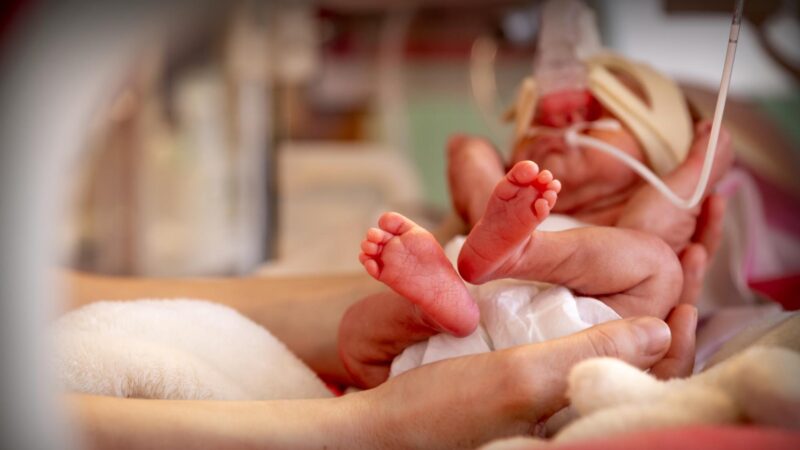
CASE STUDY increasing survival, free of bronchopulmonary dysplasia (BPD) in extremely preterm infants
The aim of the PLUSS trial was to find out if installation of budesonide (a steroid) with surfactant to the lungs of extremely preterm babies helps to prevent lung disease, or Bronchopulmonary dysplasia (BPD).
Post Views:
258
Influence of gut microbes and inflammation on brain function and behaviour in autism


Search Researchers / Research
Recent Profiled Researchers
Categories
- Allied Health 1
- Alzheimer's 2
- Antenatal 1
- Antimicrobial Resistance 1
- Artificial Intelligence 3
- Association 1
- Autism 2
- Bacteria 1
- Behavioural Science 1
- Biochemistry 1
- Biomarkers 2
- Biomaterials 2
- Blood Cancer 2
- Bone Health 3
- Bowel Cancer 3
- Brain 18
- Brain Cancer 1
- Breast Cancer 4
- Burden of Disease 2
- Cancer 20
- Cardiovascular 15
- CASE STUDY 10
- Clinical Trials 3
- Communicable Disease Control 1
- Dementia 12
- Dental 3
- Diabetes 4
- Digital Health / Biomarkers 2
- Ear, Nose, Throat ENT 7
- Emergency Medicine 6
- Europe 2
- Exercise 7
- Eyes 10
- Family Planning 3
- First Nations / Indigenous 2
- First Responders 1
- Frailty 1
- FUNDER PROFILE 1
- Gastrointestinal Tract 6
- General Practice 2
- Genetics 4
- Genomics 4
- Geriatric 1
- Government 2
- Health System Research 5
- Health Systems 1
- Health Workforce 4
- Hypertension 2
- Immunology 2
- Immunotherapy 7
- Indigenous 1
- Infection Prevention 2
- Infectious Disease 2
- Informatics 1
- Kidney 4
- Leukaemia 6
- LGBTQIA+ 1
- Liver 5
- Lung Cancer 8
- Lymphoma 2
- Materials science 2
- Maternal health 1
- Medical Devices 8
- Medical Technology 3
- Medication 4
- Mental Health 8
- Metabolism 1
- Microbiology 3
- Microbiome 3
- Molecular biology 1
- Muscles 1
- Nanobiotechnology 6
- Neonatal 4
- Neurogastroenterology 2
- Newborn / Neonatal 1
- North America 5
- Nuclear medicine / theranostics 1
- Nutrition 7
- Obesity 1
- Oceania 162
- Oral Health 2
- Oral Medicine 3
- Ovarian Cancer 3
- Pain 1
- Pancreatic cancer 1
- Paramedicine 3
- Pathology 2
- Pediatric / Paediatric 11
- Pediatric Diseases 5
- Photonics/Laser 1
- Physiology 1
- Physiotherapy 1
- Podiatry 3
- Policy and/or position statement 5
- Population 4
- Population – Seniors and Elderly 2
- Population Health 4
- Precision Medicine 1
- Pregnancy and Child Birth 2
- Preoperative 1
- Prostate Cancer 1
- Psychiatry 5
- Rare Genetic Disorders 5
- Regional, Rural and Remote 3
- Research 32
- RESEARCH CAREER PROFILE 1
- RESEARCH IMPACT 4
- RESEARCHER PROFILE 152
- Respiratory 3
- Sarcoma 1
- Sleep 3
- Spinal cord injury 2
- Stem Cells 4
- Stroke care 3
- Surgery 4
- Trauma 1
- Vaccines 4
- Vascular 1
- Worldwide 3