
 https://orcid.org/0000-0003-3224-7350
-
Biostatistics in Clinical Trials
As a biostatistician working in research and clinical settings, Kate Francis plays a vital role in ensuring all projects adhere to best practice guidelines and are transparently reported. She has served as the lead statistician for the analysis of clinical trials across a broad range of subject areas, including neonatal resuscitation, BCG for allergy and infection, convulsive status epilepticus and her work has been published in the top journals such as The New England Journal of Medicine, JAMA, and The Lancet. Most recently she was awarded the 2025 Excellence in Trial Statistics Award for her work on the PLUSS trial.
-
Non-invasive tools for CVD screening and monitoring
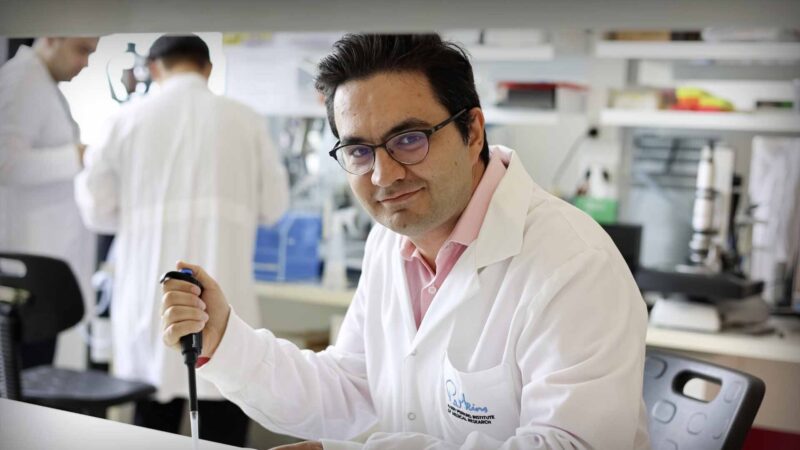
Dr Hadi Afsharan is a Research Fellow Cardiovascular Science & Diabetes at the Harry Perkins Institute of Medical Research; is a translational research and innovation fellow in medical technologies at The University of Western Australia, holding dual titles as Translational Fellow and Innovation Fellow within UWA’s Medical School and the FHRI (Future Health Research and Innovation) program.
-
Medically Complex Pregnancies
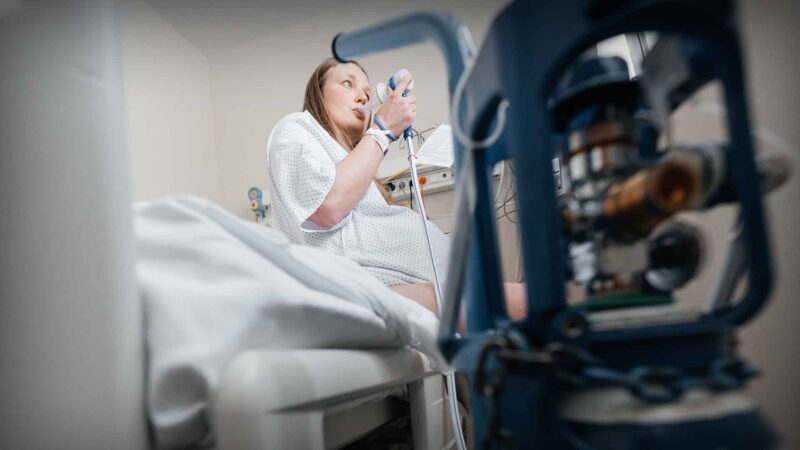
A/Prof Shelley Wilkinson is an Advanced Accredited Practising Dietitian, Fellow of Dietitians Australia, and a leading Australian researcher in maternal health and implementation science.
She has over 30 years of experience in the field and holds a PhD in Psychology. Her passion is in health service redesign through co-creation and combining the ‘know-what’ of nutrition with the ‘know-how’ of innovative behaviour change techniques.
Post Views:
380
Identifying biomarkers for immunotherapy using spatial biology

Search Researchers / Research
Recent Profiled Researchers
- Cellular and molecular mechanisms of skeletal muscle repair and regeneration
- Physiotherapist-led care for musculoskeletal conditions in the emergency department
- 3D printing, bioprinting & stem cell tech in articular cartilage regeneration and treating osteosarcoma
- Drug delivery of targeted therapies for pancreatic cancer, motor neurone disease
- RESEARCH IMPACT: 32 years of understanding, diagnosing, treating & preventing the onset of heart disease
Categories
- Allied Health 1
- Alzheimer's 2
- Antenatal 1
- Antimicrobial Resistance 1
- Artificial Intelligence 4
- Association 1
- Autism 2
- Bacteria 1
- Behavioural Science 1
- Biochemistry 1
- Biofabrication and additive manufacturing 1
- Biomarkers 2
- Biomaterials 2
- Blood Cancer 2
- Bone Health 4
- Bowel Cancer 3
- Brain 18
- Brain Cancer 1
- Breast Cancer 4
- Burden of Disease 2
- Cancer 20
- Cardiovascular 16
- CASE STUDY 10
- Clinical Trials 3
- Communicable Disease Control 1
- Dementia 12
- Dental 3
- Diabetes 4
- Digital Health / Biomarkers 2
- Drug delivery 1
- Ear, Nose, Throat ENT 7
- Emergency Medicine 7
- Europe 2
- Exercise 7
- Eyes 10
- Family Planning 3
- First Nations / Indigenous 2
- First Responders 1
- Frailty 1
- FUNDER PROFILE 1
- Gastrointestinal Tract 6
- General Practice 2
- Genetics 4
- Genomics 4
- Geriatric 1
- Government 2
- Health System Research 6
- Health Systems 1
- Health Workforce 5
- Hypertension 2
- Immunology 2
- Immunotherapy 7
- Indigenous 1
- Infection Prevention 2
- Infectious Disease 2
- Informatics 1
- Kidney 4
- Leukaemia 6
- LGBTQIA+ 1
- Liver 5
- Lung Cancer 8
- Lymphoma 2
- Materials science 2
- Maternal health 1
- Medical Devices 8
- Medical implants 1
- Medical Technology 3
- Medication 4
- Mental Health 8
- Metabolism 1
- Microbiology 3
- Microbiome 3
- Molecular biology 1
- Motor neurone disease 1
- Muscles 1
- Nanobiotechnology 6
- Neonatal 4
- Neurogastroenterology 2
- Newborn / Neonatal 1
- North America 5
- Nuclear medicine / theranostics 1
- Nutrition 7
- Obesity 1
- Oceania 167
- Oral Health 2
- Oral Medicine 3
- Ovarian Cancer 3
- Pain 1
- Pancreatic cancer 2
- Paramedicine 3
- Pathology 2
- Pediatric / Paediatric 11
- Pediatric Diseases 5
- Photonics/Laser 1
- Physiology 1
- Physiotherapy 2
- Podiatry 3
- Policy and/or position statement 5
- Population 4
- Population – Seniors and Elderly 2
- Population Health 4
- Precision Medicine 1
- Pregnancy and Child Birth 2
- Preoperative 1
- Prostate Cancer 1
- Psychiatry 5
- Rare Genetic Disorders 5
- Regenerative Medicine 1
- Regional, Rural and Remote 3
- Research 32
- RESEARCH CAREER PROFILE 1
- RESEARCH IMPACT 5
- RESEARCHER PROFILE 156
- Respiratory 3
- Sarcoma 1
- Sleep 3
- Spinal cord injury 2
- Stem Cells 4
- Stroke care 4
- Surgery 5
- Trauma 1
- Vaccines 4
- Vascular 1
- Worldwide 3