
-
Integrated Oral Health Care
Dr Ajesh George is a Professor of Interprofessional Oral Health in the School of Nursing and Midwifery, Western Sydney University (WSU) and Honorary Professor in the School of Dentistry at The University of Sydney. He is a dentist with extensive experience in integrated oral health care and is a renowned expert globally in providing oral health training to non-dental professionals and translating oral health guidelines into their practice. Dr George is also the Director and Co-founder of the “Australian Centre for Integration of Oral Health” (ACIOH) which is a leading national research centre led by WSU in collaboration with various partners including universities, health services and professional organisations.
-
Benefits of prehabilitation ahead of surgery
Dr Matthew Wallen PhD, AES, AEP is a Senior Research Fellow in Cancer Survivorship, the Deputy Lead of the Cancer Survivorship Program, and a Senior Lecturer in Exercise Science and Clinical Exercise Physiology within the College of Nursing and Health Sciences at Flinders University, in South Australia. His clinical interest focuses on improving outcomes for people requiring major surgery, specifically (1) lifestyle interventions, including exercise, nutritional, and psychological support to improve the health and wellbeing of people prior to surgery, termed ‘prehabilitation’, (2) novel physical function assessments aimed at identifying people at risk of treatment-related complications, and (3) implementation of new models of care in cancer.
-
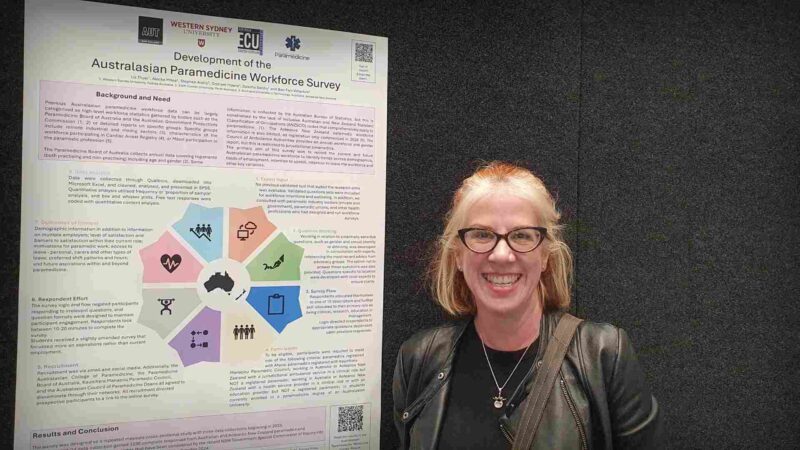
Paramedicine workforce across Australian & New Zealand
Liz Thyer is an Associate Professor in the Western Sydney University Paramedicine program and is passionate about innovations and excellence in health sciences teaching and learning.
She was an advanced life support paramedic with Ambulance Victoria for 11 years including roles as a clinical instructor and peer support officer. She has previously worked at Victoria University with the Paramedic programs and at Deakin University in Learning Futures.
Post Views:
1,793
Dr Zarina Greenberg


Search Researchers / Research
Recent Profiled Researchers
Categories
- Allied Health 1
- Alzheimer's 2
- Antenatal 1
- Antimicrobial Resistance 1
- Artificial Intelligence 3
- Association 1
- Autism 2
- Bacteria 1
- Behavioural Science 1
- Biochemistry 1
- Biomarkers 2
- Biomaterials 2
- Blood Cancer 2
- Bone Health 3
- Bowel Cancer 3
- Brain 18
- Brain Cancer 1
- Breast Cancer 4
- Burden of Disease 2
- Cancer 20
- Cardiovascular 15
- CASE STUDY 10
- Clinical Trials 3
- Communicable Disease Control 1
- Dementia 12
- Dental 3
- Diabetes 4
- Digital Health / Biomarkers 2
- Ear, Nose, Throat ENT 7
- Emergency Medicine 6
- Europe 2
- Exercise 7
- Eyes 10
- Family Planning 3
- First Nations / Indigenous 2
- First Responders 1
- Frailty 1
- FUNDER PROFILE 1
- Gastrointestinal Tract 6
- General Practice 2
- Genetics 4
- Genomics 4
- Geriatric 1
- Government 2
- Health System Research 5
- Health Systems 1
- Health Workforce 4
- Hypertension 2
- Immunology 2
- Immunotherapy 7
- Indigenous 1
- Infection Prevention 2
- Infectious Disease 2
- Informatics 1
- Kidney 4
- Leukaemia 6
- LGBTQIA+ 1
- Liver 5
- Lung Cancer 8
- Lymphoma 2
- Materials science 2
- Maternal health 1
- Medical Devices 8
- Medical Technology 3
- Medication 4
- Mental Health 8
- Metabolism 1
- Microbiology 3
- Microbiome 3
- Molecular biology 1
- Muscles 1
- Nanobiotechnology 6
- Neonatal 4
- Neurogastroenterology 2
- Newborn / Neonatal 1
- North America 5
- Nuclear medicine / theranostics 1
- Nutrition 7
- Obesity 1
- Oceania 162
- Oral Health 2
- Oral Medicine 3
- Ovarian Cancer 3
- Pain 1
- Pancreatic cancer 1
- Paramedicine 3
- Pathology 2
- Pediatric / Paediatric 11
- Pediatric Diseases 5
- Photonics/Laser 1
- Physiology 1
- Physiotherapy 1
- Podiatry 3
- Policy and/or position statement 5
- Population 4
- Population – Seniors and Elderly 2
- Population Health 4
- Precision Medicine 1
- Pregnancy and Child Birth 2
- Preoperative 1
- Prostate Cancer 1
- Psychiatry 5
- Rare Genetic Disorders 5
- Regional, Rural and Remote 3
- Research 32
- RESEARCH CAREER PROFILE 1
- RESEARCH IMPACT 4
- RESEARCHER PROFILE 152
- Respiratory 3
- Sarcoma 1
- Sleep 3
- Spinal cord injury 2
- Stem Cells 4
- Stroke care 3
- Surgery 4
- Trauma 1
- Vaccines 4
- Vascular 1
- Worldwide 3