
-
Leukaemia microenvironment & high risk childhood leukaemia
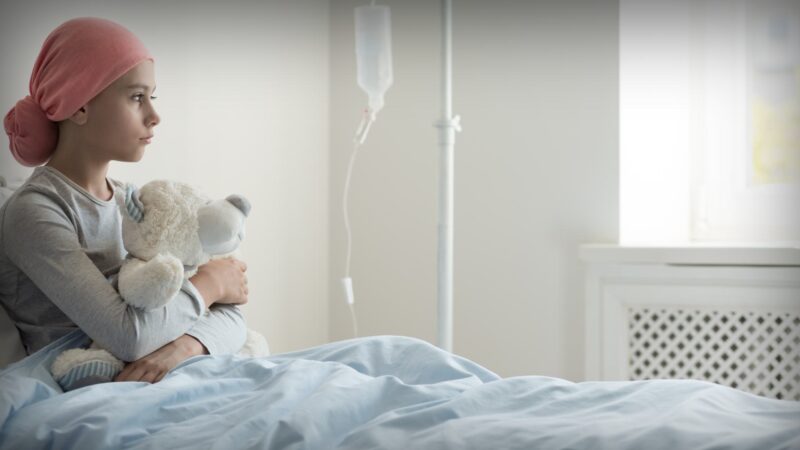
Associate Professor Laurence Cheung is now an Associate Professor at the Curtin Medical School as well as Curtin Medical Research Institute, and a Co-head of the Leukaemia Translational Research Laboratory at The Kids.
He has attracted over $8.7 million in research funding, including 16 awards as CIA (over $6.1 million). Assoc Prof Cheung was named the 2019 Cancer Council of WA Early Career Cancer Researcher of the Year and received the STEM Early Career Research Award at Curtin University in 2019.
-
Causal genes and pathogenic mechanisms underlying gastrointestinal diseases
Professor D’Amato has more than 25 years research experience in the field of human genetics and complex diseases, with activities most recently geared towards a translational application for therapeutic precision in gastroenterology. His team, the Gastrointestinal Genetics Laboratory, combine leading expertise in genomic, computational and pre-clinical research, and have contributed important breakthroughs linking specific genes and pathogenetic mechanisms to a number of gastrointestinal diseases like inflammatory bowel disease (IBD), microscopic colitis (MC) and irritable bowel syndrome (IBS).
-
At the frontier of human cellular neuroscience research
Associate Professor Cedric Bardy is the Director of The Laboratory for Human Neurophysiology, Genetics & Stem Cells, located at SAHMRI. South Australia.
His current research uses preclinical, patient-derived cell models to test innovative therapeutic strategies, with a current focus on Parkinson’s disease, brain cancer and childhood dementia (Sanfilippo syndrome).
His work has established a platform to facilitate the discovery and validation of treatments for brain disorders. Their research is at the frontier of human cellular neuroscience research and translational applications that benefit global public health.
Post Views:
1,288
Hormone receptor positive breast cancer and therapy resistance


Search Researchers / Research
Recent Profiled Researchers
- RESEARCH IMPACT: 32 years of understanding, diagnosing, treating & preventing the onset of heart disease
- Large-scale clinical and population-based research
- Applications of long-read sequencing in clinical genomics
- Identifying biomarkers for immunotherapy using spatial biology
- Vascular cognitive impairment and dementia
Categories
- Allied Health 1
- Alzheimer's 2
- Antenatal 1
- Antimicrobial Resistance 1
- Artificial Intelligence 4
- Association 1
- Autism 2
- Bacteria 1
- Behavioural Science 1
- Biochemistry 1
- Biomarkers 2
- Biomaterials 2
- Blood Cancer 2
- Bone Health 3
- Bowel Cancer 3
- Brain 18
- Brain Cancer 1
- Breast Cancer 4
- Burden of Disease 2
- Cancer 20
- Cardiovascular 16
- CASE STUDY 10
- Clinical Trials 3
- Communicable Disease Control 1
- Dementia 12
- Dental 3
- Diabetes 4
- Digital Health / Biomarkers 2
- Ear, Nose, Throat ENT 7
- Emergency Medicine 6
- Europe 2
- Exercise 7
- Eyes 10
- Family Planning 3
- First Nations / Indigenous 2
- First Responders 1
- Frailty 1
- FUNDER PROFILE 1
- Gastrointestinal Tract 6
- General Practice 2
- Genetics 4
- Genomics 4
- Geriatric 1
- Government 2
- Health System Research 5
- Health Systems 1
- Health Workforce 4
- Hypertension 2
- Immunology 2
- Immunotherapy 7
- Indigenous 1
- Infection Prevention 2
- Infectious Disease 2
- Informatics 1
- Kidney 4
- Leukaemia 6
- LGBTQIA+ 1
- Liver 5
- Lung Cancer 8
- Lymphoma 2
- Materials science 2
- Maternal health 1
- Medical Devices 8
- Medical Technology 3
- Medication 4
- Mental Health 8
- Metabolism 1
- Microbiology 3
- Microbiome 3
- Molecular biology 1
- Muscles 1
- Nanobiotechnology 6
- Neonatal 4
- Neurogastroenterology 2
- Newborn / Neonatal 1
- North America 5
- Nuclear medicine / theranostics 1
- Nutrition 7
- Obesity 1
- Oceania 163
- Oral Health 2
- Oral Medicine 3
- Ovarian Cancer 3
- Pain 1
- Pancreatic cancer 1
- Paramedicine 3
- Pathology 2
- Pediatric / Paediatric 11
- Pediatric Diseases 5
- Photonics/Laser 1
- Physiology 1
- Physiotherapy 1
- Podiatry 3
- Policy and/or position statement 5
- Population 4
- Population – Seniors and Elderly 2
- Population Health 4
- Precision Medicine 1
- Pregnancy and Child Birth 2
- Preoperative 1
- Prostate Cancer 1
- Psychiatry 5
- Rare Genetic Disorders 5
- Regional, Rural and Remote 3
- Research 32
- RESEARCH CAREER PROFILE 1
- RESEARCH IMPACT 5
- RESEARCHER PROFILE 152
- Respiratory 3
- Sarcoma 1
- Sleep 3
- Spinal cord injury 2
- Stem Cells 4
- Stroke care 4
- Surgery 4
- Trauma 1
- Vaccines 4
- Vascular 1
- Worldwide 3