
-
Antimicrobial technologies & drug delivery platforms
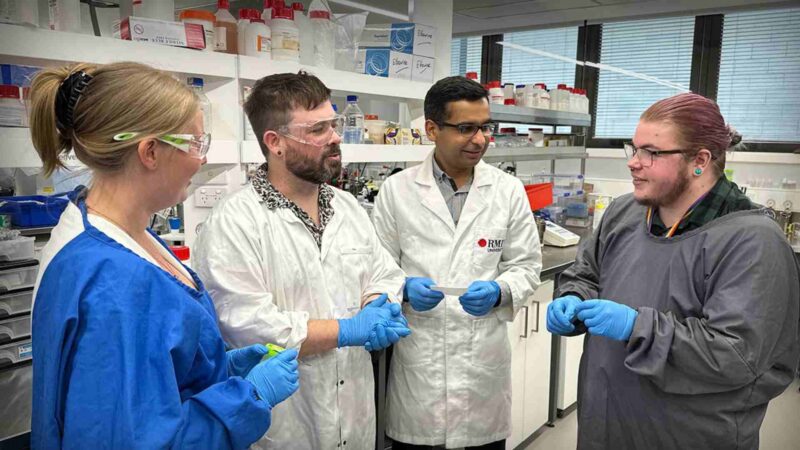
Dr Aaron Elbourne is an ARC DECRA Fellow, Jack Brockhoff ECR Fellow, and Associate Professor within the School of Science at STEM Hub. A leader in nanomaterials, soft matter science, and interface research, Aaron’s work addresses critical challenges in health and the environment.
With a strong focus on translational research, Aaron’s work bridges the gap between fundamental science and practical applications. His leadership in creating innovative technologies, fostering academic-industry partnerships, and empowering future researchers underscores his commitment to advancing science and creating a meaningful impact.
-
CASE STUDY: Transforming surgical waitlist into a ‘preparation list’
The DIAMONDS initiative aims to transform the surgical waitlist into a “preparation list,” enabling healthcare professionals to optimise patient care in the months leading up to elective surgery starting at pre-admission phase.
Patients are will be able to complete pre-admission forms online, receive timely updates, and access educational resources to ensure thorough preparation. This will allow staff to spend more time with patients.
-
Nanoparticles & microparticles to combat antimicrobial resistance
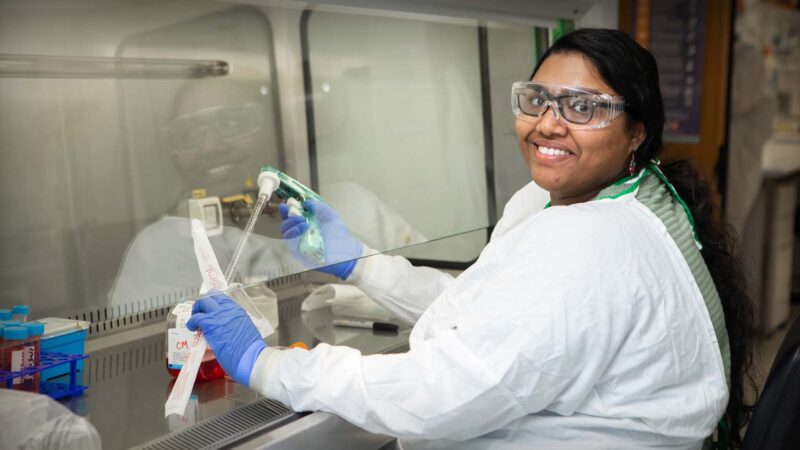
Dr Anjana Jayasree is an emerging research leader in biomaterials, tissue engineering and nanotechnology, recognised internationally for her innovative work on antimicrobial nanoparticles and regenerative therapies. A Postdoctoral Research Fellow at The University of Queensland, she operates at the intersection of materials science, drug delivery and cellular biology, developing advanced metallic-based nanotechnologies to improve both human and animal health outcomes. Her expertise spans nanoparticle synthesis, cell–material interactions, and the design of sophisticated in vitro models to investigate soft-tissue integration, osseointegration, angiogenesis and biofilm formation.
Post Views:
798
Integrated Oral Health Care

Search Researchers / Research
Recent Profiled Researchers
- Paediatric haemorrhage and airway procedures
- Paramedicine workforce across Australian & New Zealand
- Trials in treating STIs, vaccines and lipid lowering medications
- Therapy to prevent hepatocellular carcinoma in people with liver cirrhosis
- Identification & characterisation of molecular drivers of therapeutic resistance
Categories
- Allied Health 1
- Alzheimer's 2
- Antenatal 1
- Antimicrobial Resistance 1
- Artificial Intelligence 1
- Association 1
- Bacteria 1
- Behavioural Science 1
- Biochemistry 1
- Biomarkers 1
- Biomaterials 2
- Blood Cancer 2
- Bone Health 3
- Bowel Cancer 3
- Brain 15
- Brain Cancer 1
- Breast Cancer 4
- Burden of Disease 2
- Cancer 19
- Cardiovascular 10
- CASE STUDY 9
- Clinical Trials 2
- Communicable Disease Control 1
- Dementia 10
- Dental 3
- Diabetes 4
- Digital Health / Biomarkers 2
- Ear, Nose, Throat ENT 7
- Emergency Medicine 5
- Europe 2
- Exercise 7
- Eyes 10
- Family Planning 3
- First Nations / Indigenous 1
- First Responders 1
- FUNDER PROFILE 1
- Gastrointestinal Tract 5
- General Practice 1
- Genetics 3
- Genomics 3
- Geriatric 1
- Government 2
- Health System Research 5
- Health Systems 1
- Health Workforce 4
- Hypertension 2
- Immunotherapy 4
- Indigenous 1
- Infection Prevention 2
- Infectious Disease 2
- Informatics 1
- Kidney 2
- Leukaemia 6
- LGBTQIA+ 1
- Liver 5
- Lung Cancer 7
- Lymphoma 2
- Materials science 2
- Medical Devices 7
- Medical Technology 2
- Medication 1
- Mental Health 8
- Metabolism 1
- Microbiology 3
- Microbiome 2
- Molecular biology 1
- Muscles 1
- Nanobiotechnology 6
- Neonatal 4
- North America 5
- Nutrition 5
- Obesity 1
- Oceania 141
- Oral Health 2
- Oral Medicine 3
- Ovarian Cancer 3
- Pain 1
- Pancreatic cancer 1
- Paramedicine 3
- Pathology 2
- Pediatric / Paediatric 11
- Pediatric Diseases 5
- Photonics/Laser 1
- Physiology 1
- Physiotherapy 1
- Podiatry 3
- Policy and/or position statement 5
- Population 4
- Population Health 1
- Precision Medicine 1
- Pregnancy and Child Birth 1
- Prostate Cancer 1
- Psychiatry 4
- Rare Genetic Disorders 4
- Regional, Rural and Remote 3
- Research 23
- RESEARCH CAREER PROFILE 1
- RESEARCH IMPACT 4
- RESEARCHER PROFILE 129
- Respiratory 3
- Sarcoma 1
- Sleep 3
- Spinal cord injury 2
- Stem Cells 4
- Stroke care 1
- Surgery 4
- Trauma 1
- Vaccines 3
- Worldwide 3