
 https://orcid.org/0000-0002-6821-1547
-
Therapies for chronic myeloid leukaemia
Professor Tim Hughes is an international expert in the biology and treatment of leukaemia. He led the establishment of the molecular response criteria that are used world-wide to measure response in chronic myeloid leukaemia (CML) and has led many of the key Global and National trials. His group has successfully developed predictive bioassays and molecular targets that influence the way CML patients are managed world-wide. He has published over 350 papers that have been cited over 65,000 times.
-
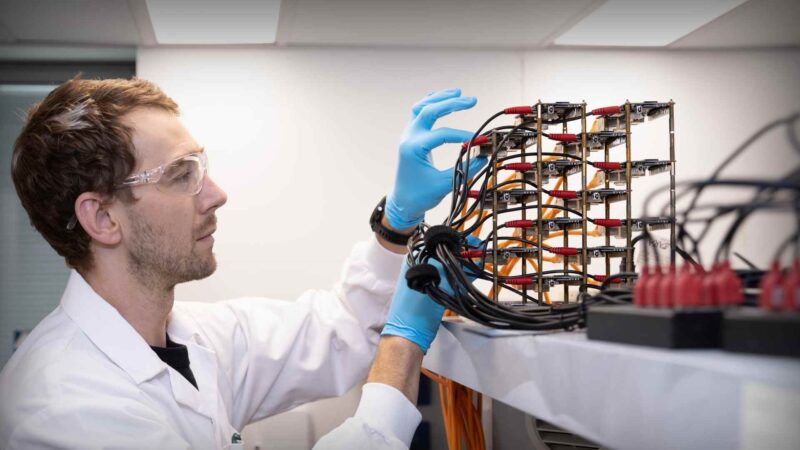
Applications of long-read sequencing in clinical genomics
Dr Ira Deveson is a mid-career researcher and Snow Fellow. He has expertise in clinical genomics, biotechnology development and bioinformatics, with his lab focusing on applications of long-read sequencing in clinical genomics. His work spans from computational methods development and software/hardware engineering, to large-scale genomic analysis of diverse cohorts in health and disease.
-
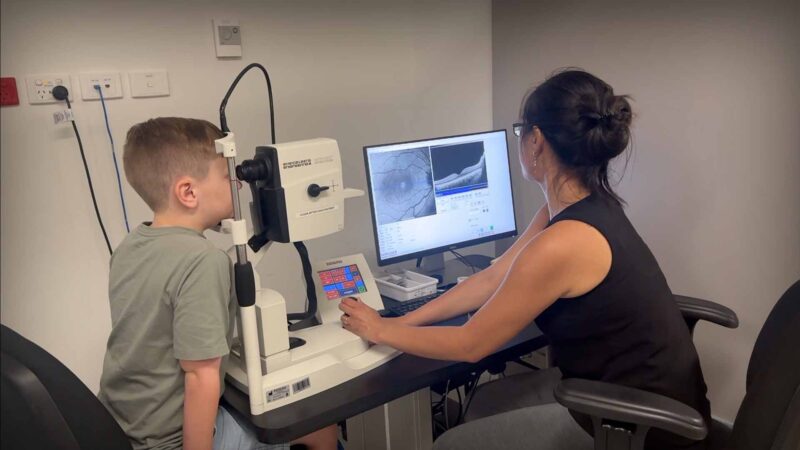
Genetics of the choroid and impact on eye health
Dr Samantha Lee is a Senior Research Fellow at Lions Eye Institute and the University of Western Australia. Dr Lee obtained her PhD in 2017 and the Queensland University of Technology and has since been working on the genetics and environmental causes of various eye diseases, with a focus on glaucoma and myopia. She has published 57 full-length scientific papers and her work has been cited over 1,000 times. She serves on the Editorial Board for the journal BMC Ophthalmology and Scientific Reports, and on the Research Advisory Committee for the Ophthalmic Research Institute of Australia.
Post Views:
701
Neuroscience, neuropharmacology and exercise science

Search Researchers / Research
Recent Profiled Researchers
- RESEARCH IMPACT: 32 years of understanding, diagnosing, treating & preventing the onset of heart disease
- Large-scale clinical and population-based research
- Applications of long-read sequencing in clinical genomics
- Identifying biomarkers for immunotherapy using spatial biology
- Vascular cognitive impairment and dementia
Categories
- Allied Health 1
- Alzheimer's 2
- Antenatal 1
- Antimicrobial Resistance 1
- Artificial Intelligence 4
- Association 1
- Autism 2
- Bacteria 1
- Behavioural Science 1
- Biochemistry 1
- Biomarkers 2
- Biomaterials 2
- Blood Cancer 2
- Bone Health 3
- Bowel Cancer 3
- Brain 18
- Brain Cancer 1
- Breast Cancer 4
- Burden of Disease 2
- Cancer 20
- Cardiovascular 16
- CASE STUDY 10
- Clinical Trials 3
- Communicable Disease Control 1
- Dementia 12
- Dental 3
- Diabetes 4
- Digital Health / Biomarkers 2
- Ear, Nose, Throat ENT 7
- Emergency Medicine 6
- Europe 2
- Exercise 7
- Eyes 10
- Family Planning 3
- First Nations / Indigenous 2
- First Responders 1
- Frailty 1
- FUNDER PROFILE 1
- Gastrointestinal Tract 6
- General Practice 2
- Genetics 4
- Genomics 4
- Geriatric 1
- Government 2
- Health System Research 5
- Health Systems 1
- Health Workforce 4
- Hypertension 2
- Immunology 2
- Immunotherapy 7
- Indigenous 1
- Infection Prevention 2
- Infectious Disease 2
- Informatics 1
- Kidney 4
- Leukaemia 6
- LGBTQIA+ 1
- Liver 5
- Lung Cancer 8
- Lymphoma 2
- Materials science 2
- Maternal health 1
- Medical Devices 8
- Medical Technology 3
- Medication 4
- Mental Health 8
- Metabolism 1
- Microbiology 3
- Microbiome 3
- Molecular biology 1
- Muscles 1
- Nanobiotechnology 6
- Neonatal 4
- Neurogastroenterology 2
- Newborn / Neonatal 1
- North America 5
- Nuclear medicine / theranostics 1
- Nutrition 7
- Obesity 1
- Oceania 163
- Oral Health 2
- Oral Medicine 3
- Ovarian Cancer 3
- Pain 1
- Pancreatic cancer 1
- Paramedicine 3
- Pathology 2
- Pediatric / Paediatric 11
- Pediatric Diseases 5
- Photonics/Laser 1
- Physiology 1
- Physiotherapy 1
- Podiatry 3
- Policy and/or position statement 5
- Population 4
- Population – Seniors and Elderly 2
- Population Health 4
- Precision Medicine 1
- Pregnancy and Child Birth 2
- Preoperative 1
- Prostate Cancer 1
- Psychiatry 5
- Rare Genetic Disorders 5
- Regional, Rural and Remote 3
- Research 32
- RESEARCH CAREER PROFILE 1
- RESEARCH IMPACT 5
- RESEARCHER PROFILE 152
- Respiratory 3
- Sarcoma 1
- Sleep 3
- Spinal cord injury 2
- Stem Cells 4
- Stroke care 4
- Surgery 4
- Trauma 1
- Vaccines 4
- Vascular 1
- Worldwide 3