
-
ROCK-induced early-onset bowel cancer progression
Professor Michael Samuel is a cell biologist whose research interest is in understanding how cancer mechanobiology influences the tumour microenvironment, thereby promoting tumour progression. He is Professor of Matrix Biology at the University of South Australia, Adelaide and heads the Tumour Microenvironment Laboratory at the Centre for Cancer Biology and the Cancer Mechanotherapies Laboratory at the Basil Hetzel Institute for Translational Health Research.
-
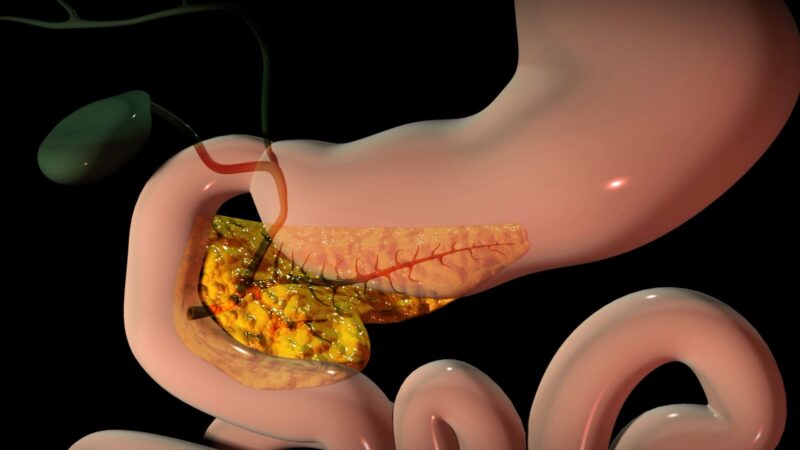
Novel therapy for pancreatic cancers, targeting molecular foundation
Dr Michael Lee is an experienced medical oncologist, sub-specialising in gastrointestinal cancers and neuroendocrine tumours at the Peter MacCallum Cancer Centre.
He plays a key role in molecular tumour boards at VCCC Alliance (Victorian Comprehensive Cancer Centre) and MPCCC (Monash Partners Comprehensive Cancer Consortium), ensuring the accurate and effective use of precision medicine in cancer care across the state.
-
Developing upper limb motor biomarkers of dementia
Kaylee is currently a research fellow with the Wicking Dementia Research and Education Centre at the University of Tasmania. She has recently submitted her PhD thesis, reporting the findings of her research on developing upper limb motor biomarkers of dementia. She has postgrad degrees in physiotherapy and experience working in the community and aged care across Tasmania for several years, where she worked with people with dementia.
Post Views:
626
Optimising Rural Musculoskeletal Health

Search Researchers / Research
Recent Profiled Researchers
- Paediatric haemorrhage and airway procedures
- Paramedicine workforce across Australian & New Zealand
- Trials in treating STIs, vaccines and lipid lowering medications
- Therapy to prevent hepatocellular carcinoma in people with liver cirrhosis
- Identification & characterisation of molecular drivers of therapeutic resistance
Categories
- Allied Health 1
- Alzheimer's 2
- Antenatal 1
- Antimicrobial Resistance 1
- Artificial Intelligence 1
- Association 1
- Bacteria 1
- Behavioural Science 1
- Biochemistry 1
- Biomarkers 1
- Biomaterials 2
- Blood Cancer 2
- Bone Health 3
- Bowel Cancer 3
- Brain 15
- Brain Cancer 1
- Breast Cancer 4
- Burden of Disease 2
- Cancer 19
- Cardiovascular 10
- CASE STUDY 9
- Clinical Trials 2
- Communicable Disease Control 1
- Dementia 10
- Dental 3
- Diabetes 4
- Digital Health / Biomarkers 2
- Ear, Nose, Throat ENT 7
- Emergency Medicine 5
- Europe 2
- Exercise 7
- Eyes 10
- Family Planning 3
- First Nations / Indigenous 1
- First Responders 1
- FUNDER PROFILE 1
- Gastrointestinal Tract 5
- General Practice 1
- Genetics 3
- Genomics 3
- Geriatric 1
- Government 2
- Health System Research 5
- Health Systems 1
- Health Workforce 4
- Hypertension 2
- Immunotherapy 4
- Indigenous 1
- Infection Prevention 2
- Infectious Disease 2
- Informatics 1
- Kidney 2
- Leukaemia 6
- LGBTQIA+ 1
- Liver 5
- Lung Cancer 7
- Lymphoma 2
- Materials science 2
- Medical Devices 7
- Medical Technology 2
- Medication 1
- Mental Health 8
- Metabolism 1
- Microbiology 3
- Microbiome 2
- Molecular biology 1
- Muscles 1
- Nanobiotechnology 6
- Neonatal 4
- North America 5
- Nutrition 5
- Obesity 1
- Oceania 141
- Oral Health 2
- Oral Medicine 3
- Ovarian Cancer 3
- Pain 1
- Pancreatic cancer 1
- Paramedicine 3
- Pathology 2
- Pediatric / Paediatric 11
- Pediatric Diseases 5
- Photonics/Laser 1
- Physiology 1
- Physiotherapy 1
- Podiatry 3
- Policy and/or position statement 5
- Population 4
- Population Health 1
- Precision Medicine 1
- Pregnancy and Child Birth 1
- Prostate Cancer 1
- Psychiatry 4
- Rare Genetic Disorders 4
- Regional, Rural and Remote 3
- Research 23
- RESEARCH CAREER PROFILE 1
- RESEARCH IMPACT 4
- RESEARCHER PROFILE 129
- Respiratory 3
- Sarcoma 1
- Sleep 3
- Spinal cord injury 2
- Stem Cells 4
- Stroke care 1
- Surgery 4
- Trauma 1
- Vaccines 3
- Worldwide 3