
-
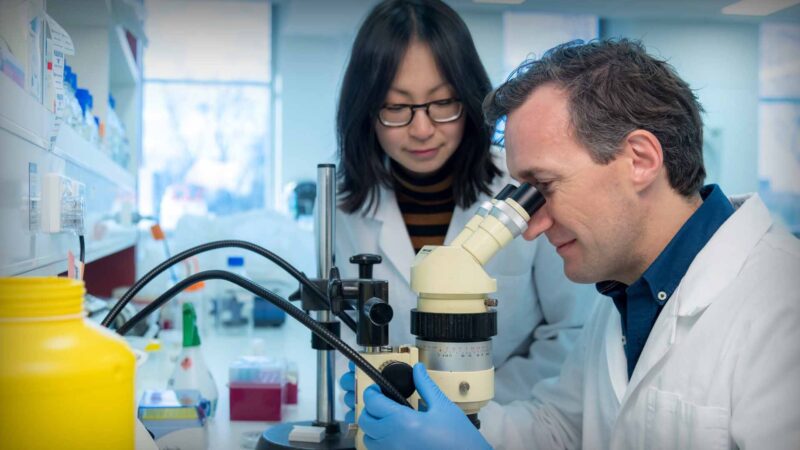
Stem cell therapies for enteric neuropathies
Dr Stamp is a Group Leader in the Department of Anatomy and Physiology at the University of Melbourne, Australia. Dr Stamp’s PhD research (with Prof Martin Pera, Monash University) focused on the derivation of hepatopancreatic progenitors from human embryonic stem cells. He then joined the lab of Dr Don Newgreen at the Murdoch Childrens Research Institute where he began working on development of the enteric nervous system (ENS), before joining Prof Heather Young’s lab at the University of Melbourne, where he focused on developing a stem cell therapy to treat gut motility disorders such as the paediatric enteric neuropathy Hirschprung disease.
-
Dr Meghan McIlwain
DR MEGHAN MCILWAIN, CLINICAL RESEARCH MANAGER
PRESIDENT, THE NEW ZEALAND ASSOCIATION OF CLINICAL RESEARCH,
AUCKLAND, NEW ZEALAND -
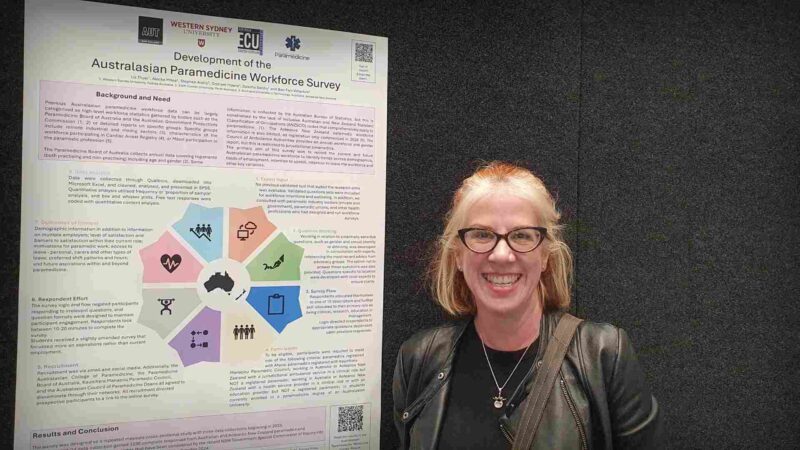
Paramedicine workforce across Australian & New Zealand
Liz Thyer is an Associate Professor in the Western Sydney University Paramedicine program and is passionate about innovations and excellence in health sciences teaching and learning.
She was an advanced life support paramedic with Ambulance Victoria for 11 years including roles as a clinical instructor and peer support officer. She has previously worked at Victoria University with the Paramedic programs and at Deakin University in Learning Futures.
Post Views:
1,759
Elite athlete physical and mental health impact performance

Search Researchers / Research
Recent Profiled Researchers
- Applying artificial intelligence to medical imaging for cardiovascular disease detection
- Medication management and quality use of medicines
- Engineered proteins to repair or regrow damaged heart muscle cells and tissue
- Healthier Food Retail
- Women’s health, child health & medical education in General Practice
Categories
- Allied Health 1
- Alzheimer's 2
- Antenatal 1
- Antimicrobial Resistance 1
- Artificial Intelligence 2
- Association 1
- Bacteria 1
- Behavioural Science 1
- Biochemistry 1
- Biomarkers 1
- Biomaterials 2
- Blood Cancer 2
- Bone Health 3
- Bowel Cancer 3
- Brain 18
- Brain Cancer 1
- Breast Cancer 4
- Burden of Disease 2
- Cancer 19
- Cardiovascular 13
- CASE STUDY 10
- Clinical Trials 3
- Communicable Disease Control 1
- Dementia 11
- Dental 3
- Diabetes 4
- Digital Health / Biomarkers 2
- Ear, Nose, Throat ENT 7
- Emergency Medicine 6
- Europe 2
- Exercise 7
- Eyes 10
- Family Planning 3
- First Nations / Indigenous 1
- First Responders 1
- FUNDER PROFILE 1
- Gastrointestinal Tract 5
- General Practice 2
- Genetics 3
- Genomics 3
- Geriatric 1
- Government 2
- Health System Research 5
- Health Systems 1
- Health Workforce 4
- Hypertension 2
- Immunotherapy 6
- Indigenous 1
- Infection Prevention 2
- Infectious Disease 2
- Informatics 1
- Kidney 4
- Leukaemia 6
- LGBTQIA+ 1
- Liver 5
- Lung Cancer 7
- Lymphoma 2
- Materials science 2
- Maternal health 1
- Medical Devices 8
- Medical Technology 3
- Medication 4
- Mental Health 8
- Metabolism 1
- Microbiology 3
- Microbiome 2
- Molecular biology 1
- Muscles 1
- Nanobiotechnology 6
- Neonatal 4
- Newborn / Neonatal 1
- North America 5
- Nuclear medicine / theranostics 1
- Nutrition 6
- Obesity 1
- Oceania 154
- Oral Health 2
- Oral Medicine 3
- Ovarian Cancer 3
- Pain 1
- Pancreatic cancer 1
- Paramedicine 3
- Pathology 2
- Pediatric / Paediatric 11
- Pediatric Diseases 5
- Photonics/Laser 1
- Physiology 1
- Physiotherapy 1
- Podiatry 3
- Policy and/or position statement 5
- Population 4
- Population Health 4
- Precision Medicine 1
- Pregnancy and Child Birth 2
- Prostate Cancer 1
- Psychiatry 5
- Rare Genetic Disorders 4
- Regional, Rural and Remote 3
- Research 28
- RESEARCH CAREER PROFILE 1
- RESEARCH IMPACT 4
- RESEARCHER PROFILE 143
- Respiratory 3
- Sarcoma 1
- Sleep 3
- Spinal cord injury 2
- Stem Cells 4
- Stroke care 2
- Surgery 4
- Trauma 1
- Vaccines 4
- Vascular 1
- Worldwide 3