
-
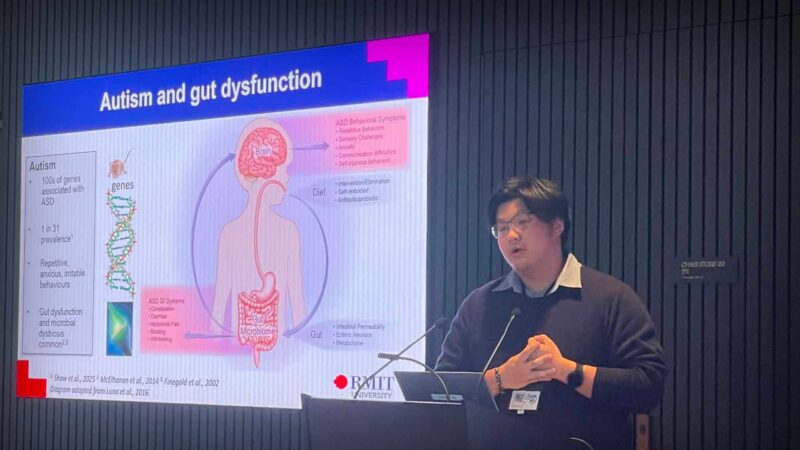
Gut microbiome and gastrointestinal dysfunction in people with autism
Vic Lin is a final-year PhD student in the Gut-Brain Axis Laboratory at RMIT University in Melbourne, Australia. His research focuses on understanding the gastrointestinal dysfunction commonly experienced by people with autism and exploring the connection between the gut microbiome and gastrointestinal function.
-
Professor Ramon Shaban
PROFESSOR RAMON SHABAN, CLINICAL CHAIR
COMMUNICABLE DISEASE CONTROL AND INFECTION PREVENTION
WESTERN HEALTH PRECINCT, SYDNEY, AUSTRALIA -
Next-generation NK cell-based immunotherapies for hard-to-treat cancers
Associate Professor Fernando Guimaraes is an internationally recognised leader in cancer immunotherapy and natural killer (NK) cell biology. Based at The University of Queensland, he leads innovative research focused on developing next-generation NK cell-based immunotherapies for hard-to-treat cancers, including sarcomas and neuroblastoma.
Post Views:
624
Paramedicine workforce across Australian & New Zealand


Search Researchers / Research
Recent Profiled Researchers
- Gut microbiome and gastrointestinal dysfunction in people with autism
- Immune mechanisms of coeliac disease and gluten-related disorders
- Influence of gut microbes and inflammation on brain function and behaviour in autism
- Gerontological physiotherapy in falls prevention and prehabilitation
- Applying artificial intelligence to medical imaging for cardiovascular disease detection
Categories
- Allied Health 1
- Alzheimer's 2
- Antenatal 1
- Antimicrobial Resistance 1
- Artificial Intelligence 2
- Association 1
- Autism 2
- Bacteria 1
- Behavioural Science 1
- Biochemistry 1
- Biomarkers 1
- Biomaterials 2
- Blood Cancer 2
- Bone Health 3
- Bowel Cancer 3
- Brain 18
- Brain Cancer 1
- Breast Cancer 4
- Burden of Disease 2
- Cancer 19
- Cardiovascular 13
- CASE STUDY 10
- Clinical Trials 3
- Communicable Disease Control 1
- Dementia 11
- Dental 3
- Diabetes 4
- Digital Health / Biomarkers 2
- Ear, Nose, Throat ENT 7
- Emergency Medicine 6
- Europe 2
- Exercise 7
- Eyes 10
- Family Planning 3
- First Nations / Indigenous 1
- First Responders 1
- Frailty 1
- FUNDER PROFILE 1
- Gastrointestinal Tract 6
- General Practice 2
- Genetics 3
- Genomics 3
- Geriatric 1
- Government 2
- Health System Research 5
- Health Systems 1
- Health Workforce 4
- Hypertension 2
- Immunology 2
- Immunotherapy 6
- Indigenous 1
- Infection Prevention 2
- Infectious Disease 2
- Informatics 1
- Kidney 4
- Leukaemia 6
- LGBTQIA+ 1
- Liver 5
- Lung Cancer 7
- Lymphoma 2
- Materials science 2
- Maternal health 1
- Medical Devices 8
- Medical Technology 3
- Medication 4
- Mental Health 8
- Metabolism 1
- Microbiology 3
- Microbiome 3
- Molecular biology 1
- Muscles 1
- Nanobiotechnology 6
- Neonatal 4
- Neurogastroenterology 2
- Newborn / Neonatal 1
- North America 5
- Nuclear medicine / theranostics 1
- Nutrition 6
- Obesity 1
- Oceania 157
- Oral Health 2
- Oral Medicine 3
- Ovarian Cancer 3
- Pain 1
- Pancreatic cancer 1
- Paramedicine 3
- Pathology 2
- Pediatric / Paediatric 11
- Pediatric Diseases 5
- Photonics/Laser 1
- Physiology 1
- Physiotherapy 1
- Podiatry 3
- Policy and/or position statement 5
- Population 4
- Population – Seniors and Elderly 1
- Population Health 4
- Precision Medicine 1
- Pregnancy and Child Birth 2
- Preoperative 1
- Prostate Cancer 1
- Psychiatry 5
- Rare Genetic Disorders 4
- Regional, Rural and Remote 3
- Research 30
- RESEARCH CAREER PROFILE 1
- RESEARCH IMPACT 4
- RESEARCHER PROFILE 147
- Respiratory 3
- Sarcoma 1
- Sleep 3
- Spinal cord injury 2
- Stem Cells 4
- Stroke care 2
- Surgery 4
- Trauma 1
- Vaccines 4
- Vascular 1
- Worldwide 3