
 https://orcid.org/0000-0002-3421-4176
-
Biomarkers for early sepsis detection
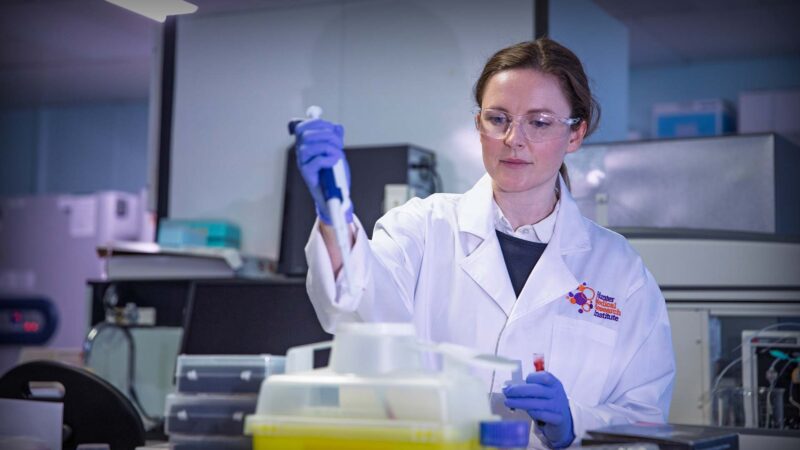
Dr Gabrielle Briggs is a biomedical scientist dedicated to finding smarter, faster ways to diagnose and treat life threatening complications in critically ill patients. Dr Briggs established a research laboratory embedded within the John Hunter Hospital – one of the busiest major trauma centres in NSW. Dr Briggs works alongside surgeons, intensivists, and pathologists to turn complex clinical problems into practical research solutions. Her work spans two major programs: developing a rapid diagnostic test to detect bacterial infections in blood before sepsis takes hold, and exploring mitochondrial transplantation as a novel therapy to rescue injured tissues after trauma and ischaemia.
-
Clinical pathways for acute care in Tasmanian Emergency Departments
Assoc Prof Viet Tran has built Emergency Medicine Research in Tasmania from the ground up, which has culminated in the success of a AUD$3 million Australian Government Medical Research Futures Fund grant looking into the Implementation of Clinical Pathways for Acute Care in Tasmania project. Dr Tran is also the Emergency Medicine Discipline lead within the Tasmanian School of Medicine and has key roles to play within Emergency Medicine training. He feels privileged to be able to teach and mentor across the whole spectrum of becoming a doctor, from watching students grow into junior doctors, senior registrar and as fellow medical specialists.
-
Applying artificial intelligence to medical imaging for cardiovascular disease detection
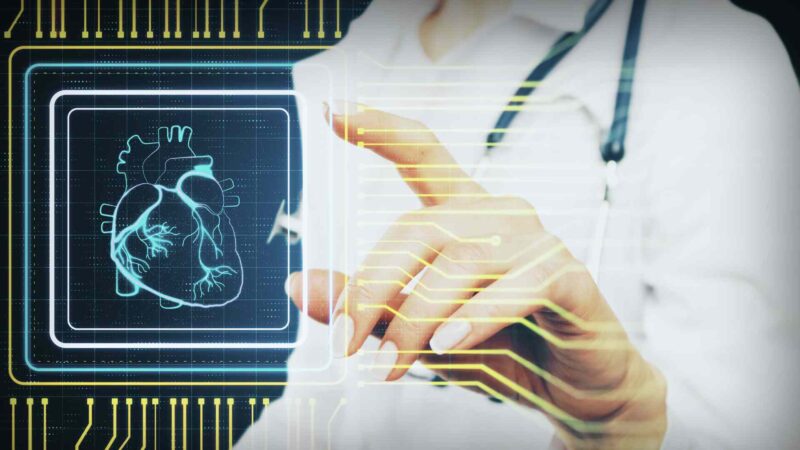
Parmida is a software engineer and biomedical scientist whose research focuses on translating novel medical imaging technologies into clinical practice to improve the diagnosis and management of cardiovascular disease.
Her current work applies advanced deep learning techniques to retinal polarization-sensitive optical coherence tomography (PS-OCT) imaging, aiming to generate clinically meaningful biomarkers and predictions of cardiovascular disease. Parmida’s collaboration partners include Fiona Stanley Hospital in Murdoch, Western Australia.
Post Views:
442
Brain ageing, dementia and psychiatric disorders

Search Researchers / Research
Recent Profiled Researchers
- Gut microbiome and gastrointestinal dysfunction in people with autism
- Immune mechanisms of coeliac disease and gluten-related disorders
- Influence of gut microbes and inflammation on brain function and behaviour in autism
- Gerontological physiotherapy in falls prevention and prehabilitation
- Applying artificial intelligence to medical imaging for cardiovascular disease detection
Categories
- Allied Health 1
- Alzheimer's 2
- Antenatal 1
- Antimicrobial Resistance 1
- Artificial Intelligence 2
- Association 1
- Autism 2
- Bacteria 1
- Behavioural Science 1
- Biochemistry 1
- Biomarkers 1
- Biomaterials 2
- Blood Cancer 2
- Bone Health 3
- Bowel Cancer 3
- Brain 18
- Brain Cancer 1
- Breast Cancer 4
- Burden of Disease 2
- Cancer 19
- Cardiovascular 13
- CASE STUDY 10
- Clinical Trials 3
- Communicable Disease Control 1
- Dementia 11
- Dental 3
- Diabetes 4
- Digital Health / Biomarkers 2
- Ear, Nose, Throat ENT 7
- Emergency Medicine 6
- Europe 2
- Exercise 7
- Eyes 10
- Family Planning 3
- First Nations / Indigenous 1
- First Responders 1
- Frailty 1
- FUNDER PROFILE 1
- Gastrointestinal Tract 6
- General Practice 2
- Genetics 3
- Genomics 3
- Geriatric 1
- Government 2
- Health System Research 5
- Health Systems 1
- Health Workforce 4
- Hypertension 2
- Immunology 2
- Immunotherapy 6
- Indigenous 1
- Infection Prevention 2
- Infectious Disease 2
- Informatics 1
- Kidney 4
- Leukaemia 6
- LGBTQIA+ 1
- Liver 5
- Lung Cancer 7
- Lymphoma 2
- Materials science 2
- Maternal health 1
- Medical Devices 8
- Medical Technology 3
- Medication 4
- Mental Health 8
- Metabolism 1
- Microbiology 3
- Microbiome 3
- Molecular biology 1
- Muscles 1
- Nanobiotechnology 6
- Neonatal 4
- Neurogastroenterology 2
- Newborn / Neonatal 1
- North America 5
- Nuclear medicine / theranostics 1
- Nutrition 6
- Obesity 1
- Oceania 157
- Oral Health 2
- Oral Medicine 3
- Ovarian Cancer 3
- Pain 1
- Pancreatic cancer 1
- Paramedicine 3
- Pathology 2
- Pediatric / Paediatric 11
- Pediatric Diseases 5
- Photonics/Laser 1
- Physiology 1
- Physiotherapy 1
- Podiatry 3
- Policy and/or position statement 5
- Population 4
- Population – Seniors and Elderly 1
- Population Health 4
- Precision Medicine 1
- Pregnancy and Child Birth 2
- Preoperative 1
- Prostate Cancer 1
- Psychiatry 5
- Rare Genetic Disorders 4
- Regional, Rural and Remote 3
- Research 30
- RESEARCH CAREER PROFILE 1
- RESEARCH IMPACT 4
- RESEARCHER PROFILE 147
- Respiratory 3
- Sarcoma 1
- Sleep 3
- Spinal cord injury 2
- Stem Cells 4
- Stroke care 2
- Surgery 4
- Trauma 1
- Vaccines 4
- Vascular 1
- Worldwide 3