
 https://orcid.org/0000-0002-8320-3668
-
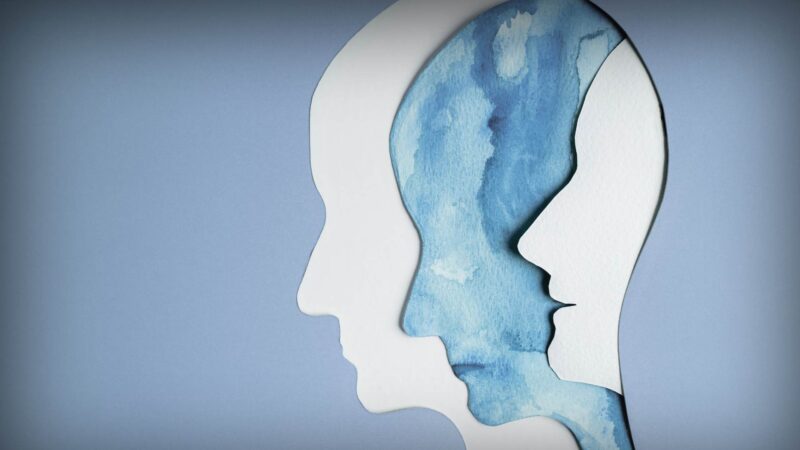
Brain ageing, dementia and psychiatric disorders
Professor Perminder Sachdev graduated from the All-India Institute of Medical Sciences, New Delhi, in 1978 and completed his MD in Psychiatry there in 1983. Following time in New Zealand, he relocated to Australia, where he completed psychiatric training and a PhD at UNSW in 1991. His doctoral work examined ethnopsychological concepts in Māori culture. His early research focused on drug-induced movement disorders, including akathisia, tardive dyskinesia and neuroleptic malignant syndrome, while his later work has centred on dementia and pre-dementia syndromes, particularly neuroimaging, biomarkers and risk factors.
-
Biomarkers for early sepsis detection
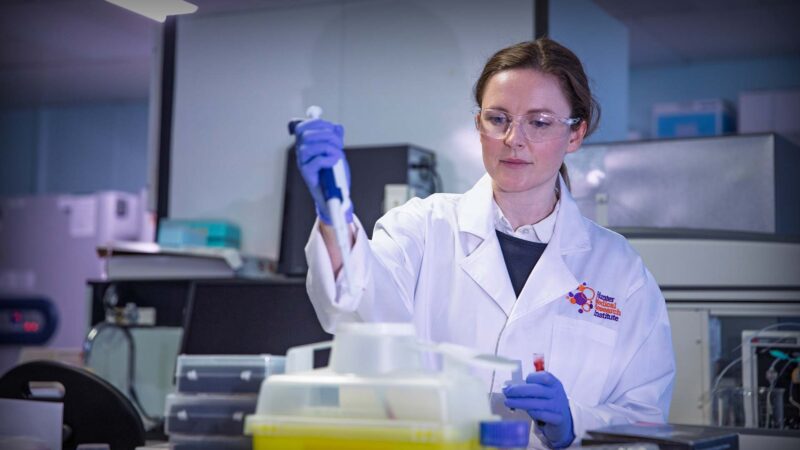
Dr Gabrielle Briggs is a biomedical scientist dedicated to finding smarter, faster ways to diagnose and treat life threatening complications in critically ill patients. Dr Briggs established a research laboratory embedded within the John Hunter Hospital – one of the busiest major trauma centres in NSW. Dr Briggs works alongside surgeons, intensivists, and pathologists to turn complex clinical problems into practical research solutions. Her work spans two major programs: developing a rapid diagnostic test to detect bacterial infections in blood before sepsis takes hold, and exploring mitochondrial transplantation as a novel therapy to rescue injured tissues after trauma and ischaemia.
-
Professor Ramon Shaban
PROFESSOR RAMON SHABAN, CLINICAL CHAIR
COMMUNICABLE DISEASE CONTROL AND INFECTION PREVENTION
WESTERN HEALTH PRECINCT, SYDNEY, AUSTRALIA
Post Views:
490
Big data research in maternal, perinatal and renal health epidemiology

Search Researchers / Research
Recent Profiled Researchers
- RESEARCH IMPACT: 32 years of understanding, diagnosing, treating & preventing the onset of heart disease
- Large-scale clinical and population-based research
- Applications of long-read sequencing in clinical genomics
- Identifying biomarkers for immunotherapy using spatial biology
- Vascular cognitive impairment and dementia
Categories
- Allied Health 1
- Alzheimer's 2
- Antenatal 1
- Antimicrobial Resistance 1
- Artificial Intelligence 4
- Association 1
- Autism 2
- Bacteria 1
- Behavioural Science 1
- Biochemistry 1
- Biomarkers 2
- Biomaterials 2
- Blood Cancer 2
- Bone Health 3
- Bowel Cancer 3
- Brain 18
- Brain Cancer 1
- Breast Cancer 4
- Burden of Disease 2
- Cancer 20
- Cardiovascular 16
- CASE STUDY 10
- Clinical Trials 3
- Communicable Disease Control 1
- Dementia 12
- Dental 3
- Diabetes 4
- Digital Health / Biomarkers 2
- Ear, Nose, Throat ENT 7
- Emergency Medicine 6
- Europe 2
- Exercise 7
- Eyes 10
- Family Planning 3
- First Nations / Indigenous 2
- First Responders 1
- Frailty 1
- FUNDER PROFILE 1
- Gastrointestinal Tract 6
- General Practice 2
- Genetics 4
- Genomics 4
- Geriatric 1
- Government 2
- Health System Research 5
- Health Systems 1
- Health Workforce 4
- Hypertension 2
- Immunology 2
- Immunotherapy 7
- Indigenous 1
- Infection Prevention 2
- Infectious Disease 2
- Informatics 1
- Kidney 4
- Leukaemia 6
- LGBTQIA+ 1
- Liver 5
- Lung Cancer 8
- Lymphoma 2
- Materials science 2
- Maternal health 1
- Medical Devices 8
- Medical Technology 3
- Medication 4
- Mental Health 8
- Metabolism 1
- Microbiology 3
- Microbiome 3
- Molecular biology 1
- Muscles 1
- Nanobiotechnology 6
- Neonatal 4
- Neurogastroenterology 2
- Newborn / Neonatal 1
- North America 5
- Nuclear medicine / theranostics 1
- Nutrition 7
- Obesity 1
- Oceania 163
- Oral Health 2
- Oral Medicine 3
- Ovarian Cancer 3
- Pain 1
- Pancreatic cancer 1
- Paramedicine 3
- Pathology 2
- Pediatric / Paediatric 11
- Pediatric Diseases 5
- Photonics/Laser 1
- Physiology 1
- Physiotherapy 1
- Podiatry 3
- Policy and/or position statement 5
- Population 4
- Population – Seniors and Elderly 2
- Population Health 4
- Precision Medicine 1
- Pregnancy and Child Birth 2
- Preoperative 1
- Prostate Cancer 1
- Psychiatry 5
- Rare Genetic Disorders 5
- Regional, Rural and Remote 3
- Research 32
- RESEARCH CAREER PROFILE 1
- RESEARCH IMPACT 5
- RESEARCHER PROFILE 152
- Respiratory 3
- Sarcoma 1
- Sleep 3
- Spinal cord injury 2
- Stem Cells 4
- Stroke care 4
- Surgery 4
- Trauma 1
- Vaccines 4
- Vascular 1
- Worldwide 3