
-
Visceral pain and the gut-brain axis
Professor Stuart Brierley is Director of the Visceral Pain Research Group, Director of the Hopwood Centre for Neurobiology, and Theme co-Leader of Lifelong Health at the South Australian Health and Medical Research Institute (SAHMRI).
Prof Brierley is an international expert on the ‘gut-brain axis’ and chronic visceral pain mechanisms. Current investigations are on a individual cell type called the enterochromaffin cell, and it helps signal pain and anxiety from the gastrointestinal tract to the brain.
-
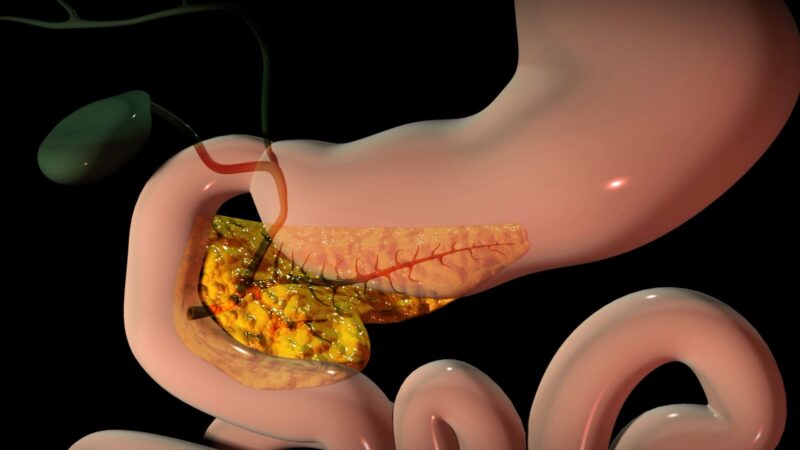
Novel therapy for pancreatic cancers, targeting molecular foundation
Dr Michael Lee is an experienced medical oncologist, sub-specialising in gastrointestinal cancers and neuroendocrine tumours at the Peter MacCallum Cancer Centre.
He plays a key role in molecular tumour boards at VCCC Alliance (Victorian Comprehensive Cancer Centre) and MPCCC (Monash Partners Comprehensive Cancer Consortium), ensuring the accurate and effective use of precision medicine in cancer care across the state.
-
Electrical stimulation on organic conductors
Professor Gordon Wallace AO is the Founder and Director of the Intelligent Polymer Research Institute (IPRI) at the University of Wollongong and Founding Director of the Australian National Fabrication Facility (ANFF) Materials Node. He was previously the Executive Director of the ARC Centre of Excellence for Electromaterials Science (ACES).
Post Views:
1,229
Clinical Research in Emergency Medicine


Search Researchers / Research
Recent Profiled Researchers
Categories
- Allied Health 1
- Alzheimer's 2
- Antenatal 1
- Antimicrobial Resistance 1
- Artificial Intelligence 3
- Association 1
- Autism 2
- Bacteria 1
- Behavioural Science 1
- Biochemistry 1
- Biomarkers 2
- Biomaterials 2
- Blood Cancer 2
- Bone Health 3
- Bowel Cancer 3
- Brain 18
- Brain Cancer 1
- Breast Cancer 4
- Burden of Disease 2
- Cancer 20
- Cardiovascular 15
- CASE STUDY 10
- Clinical Trials 3
- Communicable Disease Control 1
- Dementia 12
- Dental 3
- Diabetes 4
- Digital Health / Biomarkers 2
- Ear, Nose, Throat ENT 7
- Emergency Medicine 6
- Europe 2
- Exercise 7
- Eyes 10
- Family Planning 3
- First Nations / Indigenous 2
- First Responders 1
- Frailty 1
- FUNDER PROFILE 1
- Gastrointestinal Tract 6
- General Practice 2
- Genetics 4
- Genomics 4
- Geriatric 1
- Government 2
- Health System Research 5
- Health Systems 1
- Health Workforce 4
- Hypertension 2
- Immunology 2
- Immunotherapy 7
- Indigenous 1
- Infection Prevention 2
- Infectious Disease 2
- Informatics 1
- Kidney 4
- Leukaemia 6
- LGBTQIA+ 1
- Liver 5
- Lung Cancer 8
- Lymphoma 2
- Materials science 2
- Maternal health 1
- Medical Devices 8
- Medical Technology 3
- Medication 4
- Mental Health 8
- Metabolism 1
- Microbiology 3
- Microbiome 3
- Molecular biology 1
- Muscles 1
- Nanobiotechnology 6
- Neonatal 4
- Neurogastroenterology 2
- Newborn / Neonatal 1
- North America 5
- Nuclear medicine / theranostics 1
- Nutrition 7
- Obesity 1
- Oceania 162
- Oral Health 2
- Oral Medicine 3
- Ovarian Cancer 3
- Pain 1
- Pancreatic cancer 1
- Paramedicine 3
- Pathology 2
- Pediatric / Paediatric 11
- Pediatric Diseases 5
- Photonics/Laser 1
- Physiology 1
- Physiotherapy 1
- Podiatry 3
- Policy and/or position statement 5
- Population 4
- Population – Seniors and Elderly 2
- Population Health 4
- Precision Medicine 1
- Pregnancy and Child Birth 2
- Preoperative 1
- Prostate Cancer 1
- Psychiatry 5
- Rare Genetic Disorders 5
- Regional, Rural and Remote 3
- Research 32
- RESEARCH CAREER PROFILE 1
- RESEARCH IMPACT 4
- RESEARCHER PROFILE 152
- Respiratory 3
- Sarcoma 1
- Sleep 3
- Spinal cord injury 2
- Stem Cells 4
- Stroke care 3
- Surgery 4
- Trauma 1
- Vaccines 4
- Vascular 1
- Worldwide 3