
-
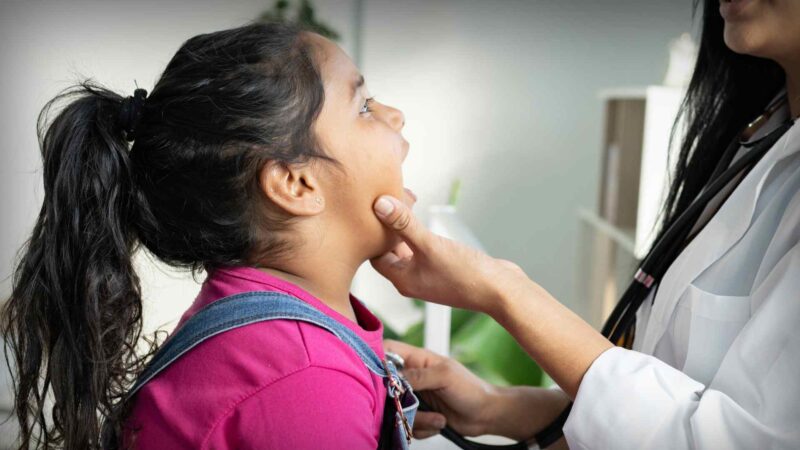
Indigenous Australian health and ear disease
Professor Kelvin Kong feels incredibly fortunate to lead a fulfilling life surrounded by his loved ones. With a demonstrated history of service in the health industry, he brings a wealth of expertise across various sectors including clinical research, medical education, surgery, paediatrics, health policy, and Indigenous education. Kelvin started his university, residing at New College in 1992, which brings him fond memories. Graduating from medicine from the University of NSW, Kelvin continued his studies and became a fellow of the Royal Australasian College of Surgeons (RACS) and Australian Society of Otolaryngology, head & neck Society (ASOHNS).
-
Mental wellbeing in rural and regional communities dealing with environmental challenges
Associate Professor Suzie Cosh is a psychologist and clinical researcher. Her work focuses on the intersection of climate change and mental health and she currently leads a body of work that focuses on supporting small rural communities to recover from and prepare for extreme weather events such as bushfires, floods and droughts.
-
Elite athlete physical and mental health impact performance
Understanding the interaction between genes and lifestyle factors in response to stress can lead to potential therapeutic interventions for stress-related disorders. This research is crucial for promoting health and well-being.
Professor Mehta has recently commenced research into elite athlete physical and mental health impact performance, with research at the intersection of statistics, genomics, and mental health. This research is ahead of, and in anticipation of, the Summer Olympics in Brisbane in 2032.
Post Views:
1,029
Exercise program for the prevention of osteoporotic fracture


Search Researchers / Research
Recent Profiled Researchers
Categories
- Allied Health 1
- Alzheimer's 2
- Antenatal 1
- Antimicrobial Resistance 1
- Artificial Intelligence 3
- Association 1
- Autism 2
- Bacteria 1
- Behavioural Science 1
- Biochemistry 1
- Biomarkers 2
- Biomaterials 2
- Blood Cancer 2
- Bone Health 3
- Bowel Cancer 3
- Brain 18
- Brain Cancer 1
- Breast Cancer 4
- Burden of Disease 2
- Cancer 20
- Cardiovascular 15
- CASE STUDY 10
- Clinical Trials 3
- Communicable Disease Control 1
- Dementia 12
- Dental 3
- Diabetes 4
- Digital Health / Biomarkers 2
- Ear, Nose, Throat ENT 7
- Emergency Medicine 6
- Europe 2
- Exercise 7
- Eyes 10
- Family Planning 3
- First Nations / Indigenous 2
- First Responders 1
- Frailty 1
- FUNDER PROFILE 1
- Gastrointestinal Tract 6
- General Practice 2
- Genetics 4
- Genomics 4
- Geriatric 1
- Government 2
- Health System Research 5
- Health Systems 1
- Health Workforce 4
- Hypertension 2
- Immunology 2
- Immunotherapy 7
- Indigenous 1
- Infection Prevention 2
- Infectious Disease 2
- Informatics 1
- Kidney 4
- Leukaemia 6
- LGBTQIA+ 1
- Liver 5
- Lung Cancer 8
- Lymphoma 2
- Materials science 2
- Maternal health 1
- Medical Devices 8
- Medical Technology 3
- Medication 4
- Mental Health 8
- Metabolism 1
- Microbiology 3
- Microbiome 3
- Molecular biology 1
- Muscles 1
- Nanobiotechnology 6
- Neonatal 4
- Neurogastroenterology 2
- Newborn / Neonatal 1
- North America 5
- Nuclear medicine / theranostics 1
- Nutrition 7
- Obesity 1
- Oceania 162
- Oral Health 2
- Oral Medicine 3
- Ovarian Cancer 3
- Pain 1
- Pancreatic cancer 1
- Paramedicine 3
- Pathology 2
- Pediatric / Paediatric 11
- Pediatric Diseases 5
- Photonics/Laser 1
- Physiology 1
- Physiotherapy 1
- Podiatry 3
- Policy and/or position statement 5
- Population 4
- Population – Seniors and Elderly 2
- Population Health 4
- Precision Medicine 1
- Pregnancy and Child Birth 2
- Preoperative 1
- Prostate Cancer 1
- Psychiatry 5
- Rare Genetic Disorders 5
- Regional, Rural and Remote 3
- Research 32
- RESEARCH CAREER PROFILE 1
- RESEARCH IMPACT 4
- RESEARCHER PROFILE 152
- Respiratory 3
- Sarcoma 1
- Sleep 3
- Spinal cord injury 2
- Stem Cells 4
- Stroke care 3
- Surgery 4
- Trauma 1
- Vaccines 4
- Vascular 1
- Worldwide 3