
-
Post stroke brain recovery targeting blood flow and vessel health
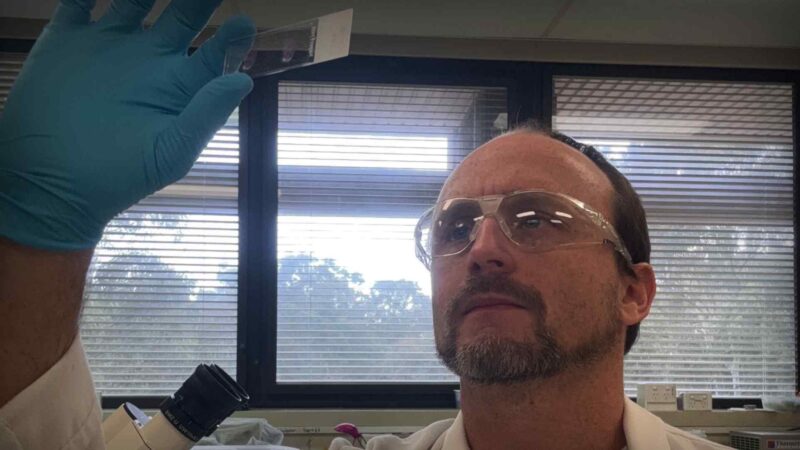
Dr Daniel Beard is a Senior Lecturer and Group Leader of the Neurovascular Research Laboratory at the University of Newcastle, with a distinguished career in stroke research. Dr Beard completed his PhD in Human Physiology in 2015, uncovering the impact of intracranial pressure on collateral vessel failure. He has held prestigious research and teaching roles at the University of Oxford and Charité Universitätsmedizin Berlin, contributing to international collaborations on neurovascular protection. His research has been supported by competitive grants, including an NHMRC Ideas Grant, and he has received numerous awards for innovation, research excellence and teaching excellence.
-
Dr Nischal Sahai
RESEARCH IN DEVICE TRIALS, VACCINE STUDIES, ORAL MEDICATIONS, INJECTABLES & INFUSIONS.
@ CLINICAL TRIAL CENTRE, UNIVERSITY OF THE SUNSHINE COAST
QUEENSLAND, AUSTRALIA -
Biostatistics in Clinical Trials
As a biostatistician working in research and clinical settings, Kate Francis plays a vital role in ensuring all projects adhere to best practice guidelines and are transparently reported. She has served as the lead statistician for the analysis of clinical trials across a broad range of subject areas, including neonatal resuscitation, BCG for allergy and infection, convulsive status epilepticus and her work has been published in the top journals such as The New England Journal of Medicine, JAMA, and The Lancet. Most recently she was awarded the 2025 Excellence in Trial Statistics Award for her work on the PLUSS trial.
Post Views:
1,629
Role of Community Paramedicine in Non-Emergency Presentations


Search Researchers / Research
Recent Profiled Researchers
- Potassium-enriched salt in the management of hypertension
- Gut microbiome and gastrointestinal dysfunction in people with autism
- Immune mechanisms of coeliac disease and gluten-related disorders
- Influence of gut microbes and inflammation on brain function and behaviour in autism
- Gerontological physiotherapy in falls prevention and prehabilitation
Categories
- Allied Health 1
- Alzheimer's 2
- Antenatal 1
- Antimicrobial Resistance 1
- Artificial Intelligence 2
- Association 1
- Autism 2
- Bacteria 1
- Behavioural Science 1
- Biochemistry 1
- Biomarkers 1
- Biomaterials 2
- Blood Cancer 2
- Bone Health 3
- Bowel Cancer 3
- Brain 18
- Brain Cancer 1
- Breast Cancer 4
- Burden of Disease 2
- Cancer 19
- Cardiovascular 14
- CASE STUDY 10
- Clinical Trials 3
- Communicable Disease Control 1
- Dementia 11
- Dental 3
- Diabetes 4
- Digital Health / Biomarkers 2
- Ear, Nose, Throat ENT 7
- Emergency Medicine 6
- Europe 2
- Exercise 7
- Eyes 10
- Family Planning 3
- First Nations / Indigenous 1
- First Responders 1
- Frailty 1
- FUNDER PROFILE 1
- Gastrointestinal Tract 6
- General Practice 2
- Genetics 3
- Genomics 3
- Geriatric 1
- Government 2
- Health System Research 5
- Health Systems 1
- Health Workforce 4
- Hypertension 2
- Immunology 2
- Immunotherapy 6
- Indigenous 1
- Infection Prevention 2
- Infectious Disease 2
- Informatics 1
- Kidney 4
- Leukaemia 6
- LGBTQIA+ 1
- Liver 5
- Lung Cancer 7
- Lymphoma 2
- Materials science 2
- Maternal health 1
- Medical Devices 8
- Medical Technology 3
- Medication 4
- Mental Health 8
- Metabolism 1
- Microbiology 3
- Microbiome 3
- Molecular biology 1
- Muscles 1
- Nanobiotechnology 6
- Neonatal 4
- Neurogastroenterology 2
- Newborn / Neonatal 1
- North America 5
- Nuclear medicine / theranostics 1
- Nutrition 7
- Obesity 1
- Oceania 158
- Oral Health 2
- Oral Medicine 3
- Ovarian Cancer 3
- Pain 1
- Pancreatic cancer 1
- Paramedicine 3
- Pathology 2
- Pediatric / Paediatric 11
- Pediatric Diseases 5
- Photonics/Laser 1
- Physiology 1
- Physiotherapy 1
- Podiatry 3
- Policy and/or position statement 5
- Population 4
- Population – Seniors and Elderly 1
- Population Health 4
- Precision Medicine 1
- Pregnancy and Child Birth 2
- Preoperative 1
- Prostate Cancer 1
- Psychiatry 5
- Rare Genetic Disorders 4
- Regional, Rural and Remote 3
- Research 31
- RESEARCH CAREER PROFILE 1
- RESEARCH IMPACT 4
- RESEARCHER PROFILE 148
- Respiratory 3
- Sarcoma 1
- Sleep 3
- Spinal cord injury 2
- Stem Cells 4
- Stroke care 2
- Surgery 4
- Trauma 1
- Vaccines 4
- Vascular 1
- Worldwide 3