
 https://orcid.org/0000-0001-6766-8345
-
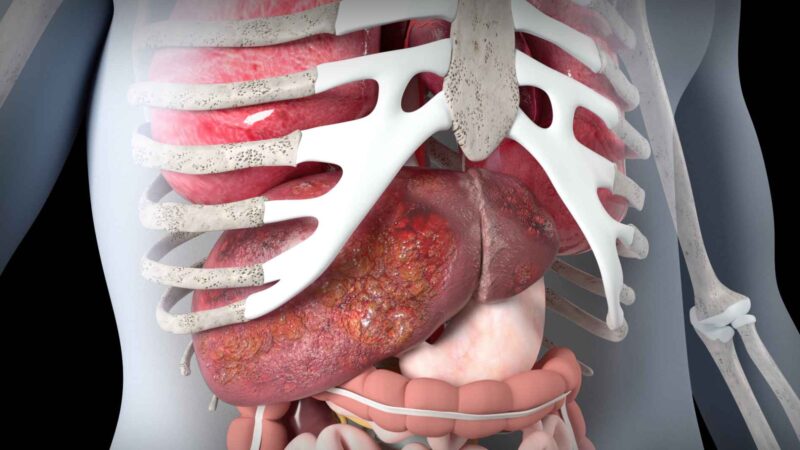
Therapy to prevent hepatocellular carcinoma in people with liver cirrhosis
Professor John Olynyk is a Gastroenterologist & Hepatologist with over 30 years’ experience, primarily at The Fiona Stanley & Fremantle Hospital Group. He planned the Gastroenterology and Hepatology Service for the Fiona Stanley Hospital and was Head Department from 2010 until 2020.
Professor John Olynyk was appointed as Associate Dean and Head of the Medical Discipline at Curtin University in 2023 until 2025 and is now Associate Director, Clinical Engagement, Curtin Medical Research Institute, Curtin University.
-
Vision impairment in children and the impact on children and their families
Dr Sue Silveira holds a conjoint academic position with Macquarie University and is the Course Director for their Master of Disability Studies, which is administered and delivered by NextSense Institute in affiliation with the University. She teaches in the areas of vision impairment and disability, and aims to share her knowledge while learning from others, especially people who are blind or have low vision and their families.
-
Exercise therapy for metabolic dysfunction-associated steatotic liver disease
Dr Shelley Keating is a Senior Lecturer in Clinical Exercise Physiology and Accredited Exercise Physiologist from the School of Human Movement and Nutrition Sciences at the University of Queensland. With a strong grounding in exercise metabolism and body composition, Dr Keating’s research centres on the utility of exercise as a therapy for obesity and related cardiometabolic conditions, notably metabolic dysfunction-associated steatotic liver disease (MASLD).
Post Views:
624
Lymphoma, Myeloma and Genomics


Search Researchers / Research
Recent Profiled Researchers
- Influence of gut microbes and inflammation on brain function and behaviour in autism
- Gerontological physiotherapy in falls prevention and prehabilitation
- Applying artificial intelligence to medical imaging for cardiovascular disease detection
- Medication management and quality use of medicines
- Engineered proteins to repair or regrow damaged heart muscle cells and tissue
Categories
- Allied Health 1
- Alzheimer's 2
- Antenatal 1
- Antimicrobial Resistance 1
- Artificial Intelligence 2
- Association 1
- Autism 1
- Bacteria 1
- Behavioural Science 1
- Biochemistry 1
- Biomarkers 1
- Biomaterials 2
- Blood Cancer 2
- Bone Health 3
- Bowel Cancer 3
- Brain 18
- Brain Cancer 1
- Breast Cancer 4
- Burden of Disease 2
- Cancer 19
- Cardiovascular 13
- CASE STUDY 10
- Clinical Trials 3
- Communicable Disease Control 1
- Dementia 11
- Dental 3
- Diabetes 4
- Digital Health / Biomarkers 2
- Ear, Nose, Throat ENT 7
- Emergency Medicine 6
- Europe 2
- Exercise 7
- Eyes 10
- Family Planning 3
- First Nations / Indigenous 1
- First Responders 1
- Frailty 1
- FUNDER PROFILE 1
- Gastrointestinal Tract 5
- General Practice 2
- Genetics 3
- Genomics 3
- Geriatric 1
- Government 2
- Health System Research 5
- Health Systems 1
- Health Workforce 4
- Hypertension 2
- Immunotherapy 6
- Indigenous 1
- Infection Prevention 2
- Infectious Disease 2
- Informatics 1
- Kidney 4
- Leukaemia 6
- LGBTQIA+ 1
- Liver 5
- Lung Cancer 7
- Lymphoma 2
- Materials science 2
- Maternal health 1
- Medical Devices 8
- Medical Technology 3
- Medication 4
- Mental Health 8
- Metabolism 1
- Microbiology 3
- Microbiome 2
- Molecular biology 1
- Muscles 1
- Nanobiotechnology 6
- Neonatal 4
- Neurogastroenterology 1
- Newborn / Neonatal 1
- North America 5
- Nuclear medicine / theranostics 1
- Nutrition 6
- Obesity 1
- Oceania 155
- Oral Health 2
- Oral Medicine 3
- Ovarian Cancer 3
- Pain 1
- Pancreatic cancer 1
- Paramedicine 3
- Pathology 2
- Pediatric / Paediatric 11
- Pediatric Diseases 5
- Photonics/Laser 1
- Physiology 1
- Physiotherapy 1
- Podiatry 3
- Policy and/or position statement 5
- Population 4
- Population – Seniors and Elderly 1
- Population Health 4
- Precision Medicine 1
- Pregnancy and Child Birth 2
- Preoperative 1
- Prostate Cancer 1
- Psychiatry 5
- Rare Genetic Disorders 4
- Regional, Rural and Remote 3
- Research 28
- RESEARCH CAREER PROFILE 1
- RESEARCH IMPACT 4
- RESEARCHER PROFILE 145
- Respiratory 3
- Sarcoma 1
- Sleep 3
- Spinal cord injury 2
- Stem Cells 4
- Stroke care 2
- Surgery 4
- Trauma 1
- Vaccines 4
- Vascular 1
- Worldwide 3