Brain

Brain ageing, dementia and psychiatric disorders

Professor Perminder Sachdev graduated from the All-India Institute of Medical Sciences, New Delhi, in 1978 and completed his MD in Psychiatry there in 1983. Following time in New Zealand, he relocated to Australia, where he completed psychiatric training and a PhD at UNSW in 1991. His doctoral work examined ethnopsychological concepts in Māori culture. His early research focused on drug-induced movement disorders, including akathisia, tardive dyskinesia and neuroleptic malignant syndrome, while his later work has centred on dementia and pre-dementia syndromes, particularly neuroimaging, biomarkers and risk factors.
Post stroke brain recovery targeting blood flow and vessel health

Dr Daniel Beard is a Senior Lecturer and Group Leader of the Neurovascular Research Laboratory at the University of Newcastle, with a distinguished career in stroke research. Dr Beard completed his PhD in Human Physiology in 2015, uncovering the impact of intracranial pressure on collateral vessel failure. He has held prestigious research and teaching roles at the University of Oxford and Charité Universitätsmedizin Berlin, contributing to international collaborations on neurovascular protection. His research has been supported by competitive grants, including an NHMRC Ideas Grant, and he has received numerous awards for innovation, research excellence and teaching excellence.

 Identifying and treating autoimmune neurological disorders

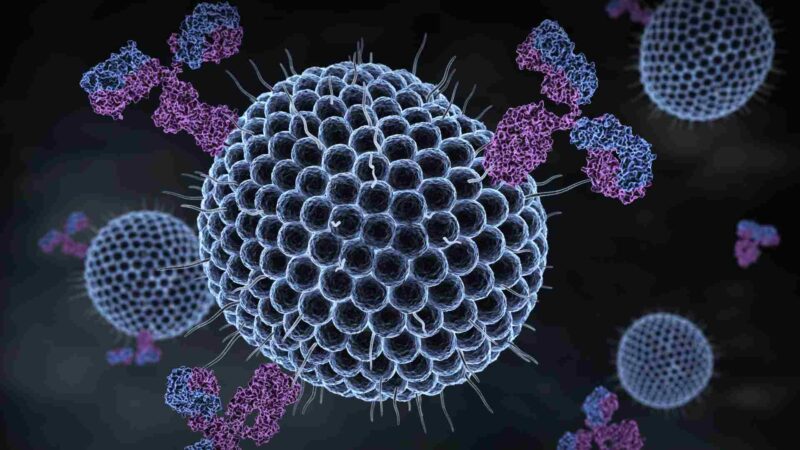
Associate Professor Sudarshini Ramanathan is a neurologist and clinician scientist whose work focuses on autoimmune neurological disorders. Her research has helped identify new neurological syndromes due to antibody-mediated demyelination and encephalitis, and improve diagnostic tools and treatment guidelines for patients with autoimmune diseases affecting the brain, spinal cord, muscles and nerves. 

Developing upper limb motor biomarkers of dementia

Kaylee is currently a research fellow with the Wicking Dementia Research and Education Centre at the University of Tasmania. She has recently submitted her PhD thesis, reporting the findings of her research on developing upper limb motor biomarkers of dementia. She has postgrad degrees in physiotherapy and experience working in the community and aged care across Tasmania for several years, where she worked with people with dementia.

Metabolic phenotyping, lipidomics & bioinformatics in dementia

Dr Luke Whiley is a dementia researcher whose work focuses on understanding how the body’s metabolism, particularly the biology of fats known as lipids, influences our health throughout ageing.

His research explores how the body responds to illness, lifestyle, and environmental stress at a chemical level, and how these responses shape longterm disease risk. Using advanced blood-based measurement technologies, Dr Whiley studies thousands of small molecules at once to build a snapshot of a person’s metabolic health. By combining these measurements with data science approaches, his work identifies biological pathways that become disrupted in disease, providing insight into why some people are more vulnerable to conditions such as dementia.

Cellular mechanisms of traumatic brain injury & concussion

Professor Melinda Fitzgerald is Deputy Vice Chancellor, Research at Curtin University, John Curtin Distinguished Professor and CEO of Connectivity Traumatic Brain Injury Australia.

She has published over 135 papers; recent highlights include Lancet Neurology, J Neuroscience, Nature Nano, ACS Nano, Biomaterials. Currently held grants/Projects total $10.1 million; CIA for $5.2 million of these; $18.5 million total research and equipment funding, $9.9 million as CIA; continuous category 1 grant funding as CIA since 2009.

Neuroscience, neuropharmacology and exercise science

Dr Jacob Thorstensen is an early-career Assistant Professor in Neuroscience and Physiology in the Faculty of Health Sciences & Medicine at Bond University. He is also an honorary research fellow in The School of Biomedical Sciences at The University of Queensland. His work has unveiled several new neuroscientific mechanisms which have future applications for movement disorders.

Novel forms of brain stimulation & psychedelic assisted psychotherapy

Professor Paul Fitzgerald is the Head of the School of Medicine and Psychology at the Australian National University. He is an academic psychiatrist with a MBBS degree, Masters of Psychological Medicine and research PhD. He has conducted an extensive range of experimental studies and clinical trials, focused on the development of novel treatment options for patients with mental health conditions such as depression, schizophrenia, obsessive compulsive disorder, PTSD, autism and Alzheimer’s disease.

Nutraceutical and pharmacological intervention in neurological disorders

Dr Virginie Lam is a neuroscientist and cerebrovascular biologist with over 15 years of research experience, including more than seven years post-PhD. She co-leads the Neurovascular and Metabolic Diseases Laboratory at the Curtin Medical Research Institute and holds an affiliate appointment at the Perron Institute for Neurological and Translational Science. Her research focuses on the interface between neurovascular health, cognitive function, and therapeutic translation in neurodegenerative disorders.

CASE STUDY High blood pressure and shorter sleep may worsen brain decline

People with high blood pressure who also lack sleep may be at increased risk of reduced cognitive performance and greater brain injury, Monash University research has found.

Published in the Journal of the American Heart Association, researchers assessed whether the combined effect of hypertension and short sleep duration had a negative impact on brain health.

Scroll to top