Research

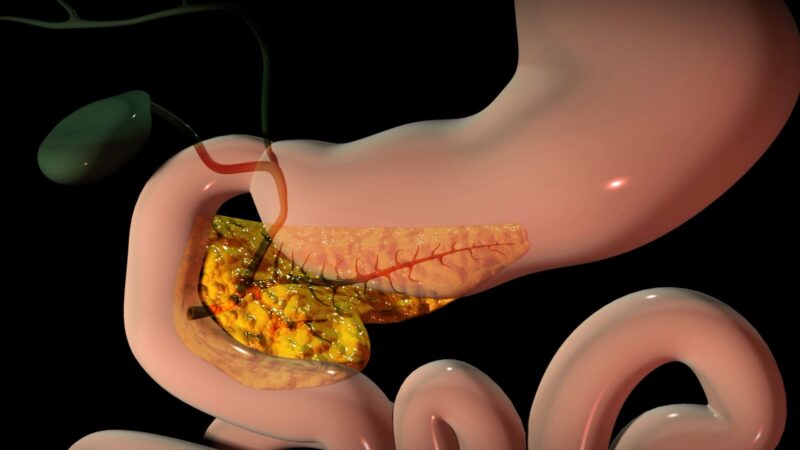
Novel therapy for pancreatic cancers, targeting molecular foundation

Dr Michael Lee is an experienced medical oncologist, sub-specialising in gastrointestinal cancers and neuroendocrine tumours at the Peter MacCallum Cancer Centre.

He plays a key role in molecular tumour boards at VCCC Alliance (Victorian Comprehensive Cancer Centre) and MPCCC (Monash Partners Comprehensive Cancer Consortium), ensuring the accurate and effective use of precision medicine in cancer care across the state.

Genetics and Environmental Factors of Glaucoma & Myopia

Professor David Mackey’s original research, over more than 30 years into the genetics of glaucoma and in the fields of optic atrophy and congenital cataract, has received constant professional accolades, attracted ongoing research funding and led to his publication of more than 400 peer-reviewed papers.

Paediatric obesity prevention, nutrition and dietetics

Leveraging a systems-based and collaborative approach, Dr Littlewood over the past 25 years has driven research and data outcomes in the area of health and wellbeing. Dr Littlewood leads a dedicated team focused on making healthy happen for all Queenslanders, with a particular focus on improving health outcomes for the next generation. 

RESEARCH IMPACT: 35 years of kids’ health research

The Kids Research Institute Australia is one of the largest and most successful medical research institutes in Australia. The Institute has created a blueprint that brings together community, researchers, practitioners, policy makers and funders, who share our vision to improve the health and wellbeing of children through excellence in research. In November 2025, The Kids Research Institute Australia celebrated 35 years of bold ideas, groundbreaking research, and the people who find answers to the big questions about better health outcomes for children and families.

Systems genetics to determine risk of developing diabetes complications

Professor Morahan invented the term “Systems Genetics” for the science field that examines how genetic variants can affect whole networks of genes and whole systems; there are now several laboratories and institutes of systems genetics around the world. He also developed the next-generation genetic resource, The Gene Mine, the most powerful of its type in the world, used globally in rapid mapping and identification of genes. Collaborators nationally and internationally have tested The Gene Mine for traits and diseases in which they specialise.

Pancreatic and lung cancers driven by mutations in the cancer gene KRAS

Dr Mara Zeissig is a recently appointed Lab Head within the Tumour Inflammation and Immunotherapy Program at the South Australian immunoGENomics Cancer Institute (SAiGENCI).
Her research focuses on studying immune evasion mechanisms in lung and pancreatic cancers to identify novel ways to increase response to immunotherapy. Her expertise is in genetically engineered mouse models of lung cancer, CRISPR-Cas9 screening technologies and T cell based immunotherapies (e.g Checkpoint inhibitors).

Biopsychosocial approaches to obsessive-compulsive, body image and eating disorders 

Dr Nicola Acevedo is a Neuroscientist and Research Fellow with extensive expertise in developing novel therapeutics for neurological and psychiatric disorders, contributing to more than ten clinical trials. She specialises in brain stimulation and psychedelic treatments for obsessive-compulsive disorder (OCD) and related conditions, with a strong commitment to advancing personalised, evidence-based neurobiological therapies for severe psychiatric illness. Her approach integrates biopsychosocial and person-centred principles to improve treatment access and mental health outcomes.

Nanoparticles & microparticles to combat antimicrobial resistance

Dr Anjana Jayasree is an emerging research leader in biomaterials, tissue engineering and nanotechnology, recognised internationally for her innovative work on antimicrobial nanoparticles and regenerative therapies. A Postdoctoral Research Fellow at The University of Queensland, she operates at the intersection of materials science, drug delivery and cellular biology, developing advanced metallic-based nanotechnologies to improve both human and animal health outcomes. Her expertise spans nanoparticle synthesis, cell–material interactions, and the design of sophisticated in vitro models to investigate soft-tissue integration, osseointegration, angiogenesis and biofilm formation.

Electrical stimulation on organic conductors

Professor Gordon Wallace AO is the Founder and Director of the Intelligent Polymer Research Institute (IPRI) at the University of Wollongong and Founding Director of the Australian National Fabrication Facility (ANFF) Materials Node. He was previously the Executive Director of the ARC Centre of Excellence for Electromaterials Science (ACES).

Neuroscience, neuropharmacology and exercise science

Dr Jacob Thorstensen is an early-career Assistant Professor in Neuroscience and Physiology in the Faculty of Health Sciences & Medicine at Bond University. He is also an honorary research fellow in The School of Biomedical Sciences at The University of Queensland. His work has unveiled several new neuroscientific mechanisms which have future applications for movement disorders.

Scroll to top