
-
Mental wellbeing in rural and regional communities dealing with environmental challenges
Associate Professor Suzie Cosh is a psychologist and clinical researcher. Her work focuses on the intersection of climate change and mental health and she currently leads a body of work that focuses on supporting small rural communities to recover from and prepare for extreme weather events such as bushfires, floods and droughts.
-
Tyrosine Kinases in cancer recurrence
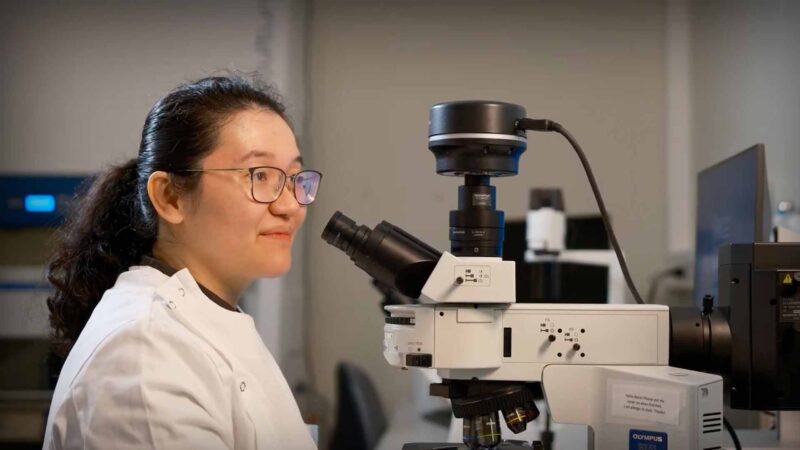
Dr Yu Yu leads the Oncology and Gynaecology Research Program at Curtin Medical Research Institute . Dr Yu is also a senior research fellow at Curtin Medical School.
Dr Yu Yu’s laboratory is working on better ways to treat cancers, particularly ovarian cancers which are resistant to conventional chemotherapy. The aims are for better informed treatment choice and reducing unnecessary exposure to ineffective chemotherapy and its potential adverse effects.
-
Impact of Leukaemia Foundation’s Research Funding into Blood Cancer
Bill Stavreski is the Head of Research at the Leukaemia Foundation who talks about the research impact in recent years. The Foundation itself marks its 25th anniversary in 2025, having funded a wide range of health and medical research since 2000. With a focus on basic science, health services research, treatment, and care, the organisation has invested nearly $90 million (adjusted in current dollars terms) in approximately 370 research grants over the years.
Post Views:
2,074
Dr Nischal Sahai


Search Researchers / Research
Recent Profiled Researchers
- Paediatric haemorrhage and airway procedures
- Paramedicine workforce across Australian & New Zealand
- Trials in treating STIs, vaccines and lipid lowering medications
- Therapy to prevent hepatocellular carcinoma in people with liver cirrhosis
- Identification & characterisation of molecular drivers of therapeutic resistance
Categories
- Allied Health 1
- Alzheimer's 2
- Antenatal 1
- Antimicrobial Resistance 1
- Artificial Intelligence 1
- Association 1
- Bacteria 1
- Behavioural Science 1
- Biochemistry 1
- Biomarkers 1
- Biomaterials 2
- Blood Cancer 2
- Bone Health 3
- Bowel Cancer 3
- Brain 15
- Brain Cancer 1
- Breast Cancer 4
- Burden of Disease 2
- Cancer 19
- Cardiovascular 10
- CASE STUDY 9
- Clinical Trials 2
- Communicable Disease Control 1
- Dementia 10
- Dental 3
- Diabetes 4
- Digital Health / Biomarkers 2
- Ear, Nose, Throat ENT 7
- Emergency Medicine 5
- Europe 2
- Exercise 7
- Eyes 10
- Family Planning 3
- First Nations / Indigenous 1
- First Responders 1
- FUNDER PROFILE 1
- Gastrointestinal Tract 5
- General Practice 1
- Genetics 3
- Genomics 3
- Geriatric 1
- Government 2
- Health System Research 5
- Health Systems 1
- Health Workforce 4
- Hypertension 2
- Immunotherapy 4
- Indigenous 1
- Infection Prevention 2
- Infectious Disease 2
- Informatics 1
- Kidney 2
- Leukaemia 6
- LGBTQIA+ 1
- Liver 5
- Lung Cancer 7
- Lymphoma 2
- Materials science 2
- Medical Devices 7
- Medical Technology 2
- Medication 1
- Mental Health 8
- Metabolism 1
- Microbiology 3
- Microbiome 2
- Molecular biology 1
- Muscles 1
- Nanobiotechnology 6
- Neonatal 4
- North America 5
- Nutrition 5
- Obesity 1
- Oceania 141
- Oral Health 2
- Oral Medicine 3
- Ovarian Cancer 3
- Pain 1
- Pancreatic cancer 1
- Paramedicine 3
- Pathology 2
- Pediatric / Paediatric 11
- Pediatric Diseases 5
- Photonics/Laser 1
- Physiology 1
- Physiotherapy 1
- Podiatry 3
- Policy and/or position statement 5
- Population 4
- Population Health 1
- Precision Medicine 1
- Pregnancy and Child Birth 1
- Prostate Cancer 1
- Psychiatry 4
- Rare Genetic Disorders 4
- Regional, Rural and Remote 3
- Research 23
- RESEARCH CAREER PROFILE 1
- RESEARCH IMPACT 4
- RESEARCHER PROFILE 129
- Respiratory 3
- Sarcoma 1
- Sleep 3
- Spinal cord injury 2
- Stem Cells 4
- Stroke care 1
- Surgery 4
- Trauma 1
- Vaccines 3
- Worldwide 3