
 https://orcid.org/0000-0001-6298-5288
-
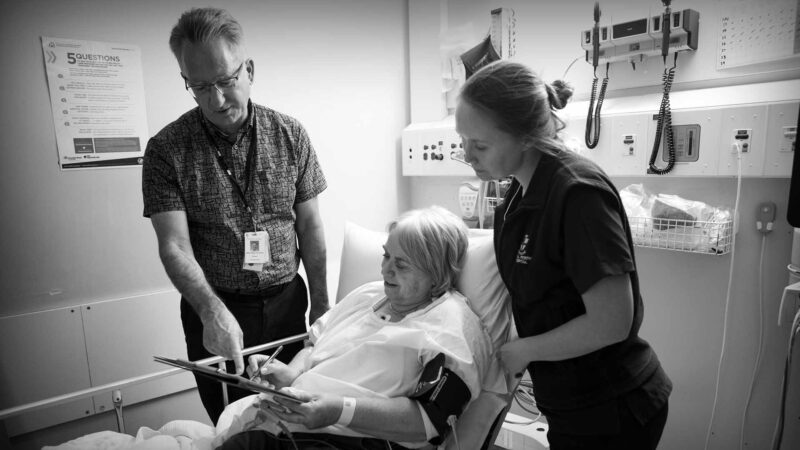
Clinical Research in Emergency Medicine
Professor Daniel Fatovich is a senior emergency physician and clinical researcher at Royal Perth Hospital Emergency Department (ED), with over 30 years’ experience in the design and conduct of clinical research in Emergency Medicine. He is also Head of the Centre for Clinical Research in Emergency Medicine (CCREM) within the Harry Perkins Institute of Medical Research.
-
Biopsychosocial approaches to obsessive-compulsive, body image and eating disorders
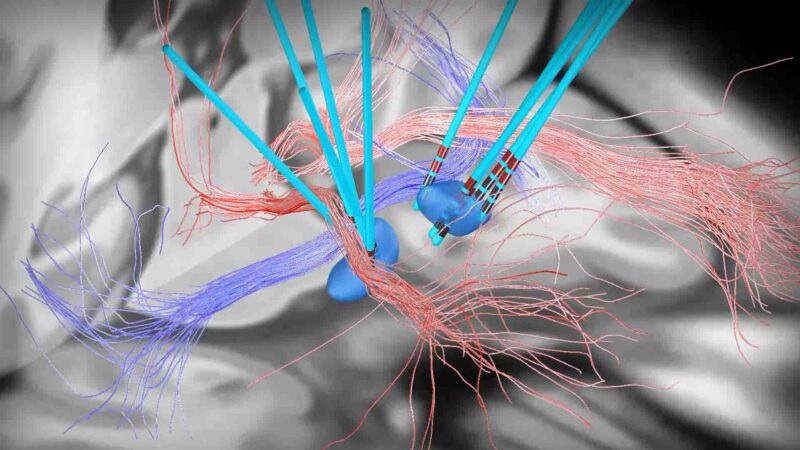
Dr Nicola Acevedo is a Neuroscientist and Research Fellow with extensive expertise in developing novel therapeutics for neurological and psychiatric disorders, contributing to more than ten clinical trials. She specialises in brain stimulation and psychedelic treatments for obsessive-compulsive disorder (OCD) and related conditions, with a strong commitment to advancing personalised, evidence-based neurobiological therapies for severe psychiatric illness. Her approach integrates biopsychosocial and person-centred principles to improve treatment access and mental health outcomes.
-
Investigating invasive lobular carcinoma and metaplastic breast cancer sub-types
Assoc Prof McCart Reed is the scientific lead on an MRFF-funded (Medical Research Future Fund) genomics program investigating the potential for the application of Whole Genome Sequencing in the breast cancer care pathway in Australia, ‘Q-IMPROvE’. She applies genomics and spatial transcriptomics methodologies to archival clinical samples to understand the differences between tumour types and their potential for treatment. Amy is passionate about clinical research, biobanking and precision oncology. In addition to her breast cancer research portfolio, she is on the steering committee for the Brisbane Breast Bank and the Scientific Advisory Board for Breast Cancer Trials.
Post Views:
67
Leukaemia microenvironment & high risk childhood leukaemia

Search Researchers / Research
Recent Profiled Researchers
- Trials in treating STIs, vaccines and lipid lowering medications
- Therapy to prevent hepatocellular carcinoma in people with liver cirrhosis
- Identification & characterisation of molecular drivers of therapeutic resistance
- Liver cancer & patient-derived tumour organoids
- Developing upper limb motor biomarkers of dementia
Categories
- Allied Health 1
- Alzheimer's 2
- Antenatal 1
- Antimicrobial Resistance 1
- Artificial Intelligence 1
- Association 1
- Bacteria 1
- Behavioural Science 1
- Biochemistry 1
- Biomarkers 1
- Biomaterials 2
- Blood Cancer 2
- Bone Health 3
- Bowel Cancer 3
- Brain 15
- Brain Cancer 1
- Breast Cancer 4
- Burden of Disease 2
- Cancer 19
- Cardiovascular 10
- CASE STUDY 9
- Clinical Trials 2
- Communicable Disease Control 1
- Dementia 10
- Dental 3
- Diabetes 4
- Digital Health / Biomarkers 2
- Ear, Nose, Throat ENT 7
- Emergency Medicine 4
- Europe 2
- Exercise 7
- Eyes 10
- Family Planning 3
- First Nations / Indigenous 1
- First Responders 1
- FUNDER PROFILE 1
- Gastrointestinal Tract 5
- General Practice 1
- Genetics 3
- Genomics 3
- Geriatric 1
- Government 2
- Health System Research 5
- Health Systems 1
- Health Workforce 3
- Hypertension 2
- Immunotherapy 4
- Indigenous 1
- Infection Prevention 2
- Infectious Disease 2
- Informatics 1
- Kidney 2
- Leukaemia 6
- LGBTQIA+ 1
- Liver 5
- Lung Cancer 7
- Lymphoma 2
- Materials science 2
- Medical Devices 7
- Medical Technology 2
- Medication 1
- Mental Health 8
- Metabolism 1
- Microbiology 3
- Microbiome 2
- Molecular biology 1
- Muscles 1
- Nanobiotechnology 6
- Neonatal 4
- North America 5
- Nutrition 5
- Obesity 1
- Oceania 139
- Oral Health 2
- Oral Medicine 3
- Ovarian Cancer 3
- Pain 1
- Pancreatic cancer 1
- Paramedicine 2
- Pathology 2
- Pediatric / Paediatric 10
- Pediatric Diseases 5
- Photonics/Laser 1
- Physiology 1
- Physiotherapy 1
- Podiatry 3
- Policy and/or position statement 5
- Population 4
- Population Health 1
- Precision Medicine 1
- Pregnancy and Child Birth 1
- Prostate Cancer 1
- Psychiatry 4
- Rare Genetic Disorders 4
- Regional, Rural and Remote 3
- Research 21
- RESEARCH CAREER PROFILE 1
- RESEARCH IMPACT 4
- RESEARCHER PROFILE 127
- Respiratory 3
- Sarcoma 1
- Sleep 3
- Spinal cord injury 2
- Stem Cells 4
- Stroke care 1
- Surgery 4
- Trauma 1
- Vaccines 3
- Worldwide 3