
 https://orcid.org/0000-0001-5840-943X
-
Nutraceutical and pharmacological intervention in neurological disorders
Dr Virginie Lam is a neuroscientist and cerebrovascular biologist with over 15 years of research experience, including more than seven years post-PhD. She co-leads the Neurovascular and Metabolic Diseases Laboratory at the Curtin Medical Research Institute and holds an affiliate appointment at the Perron Institute for Neurological and Translational Science. Her research focuses on the interface between neurovascular health, cognitive function, and therapeutic translation in neurodegenerative disorders.
-
Clinical pathways for acute care in Tasmanian Emergency Departments
Assoc Prof Viet Tran has built Emergency Medicine Research in Tasmania from the ground up, which has culminated in the success of a AUD$3 million Australian Government Medical Research Futures Fund grant looking into the Implementation of Clinical Pathways for Acute Care in Tasmania project. Dr Tran is also the Emergency Medicine Discipline lead within the Tasmanian School of Medicine and has key roles to play within Emergency Medicine training. He feels privileged to be able to teach and mentor across the whole spectrum of becoming a doctor, from watching students grow into junior doctors, senior registrar and as fellow medical specialists.
-
Neuroscience, neuropharmacology and exercise science
Dr Jacob Thorstensen is an early-career Assistant Professor in Neuroscience and Physiology in the Faculty of Health Sciences & Medicine at Bond University. He is also an honorary research fellow in The School of Biomedical Sciences at The University of Queensland. His work has unveiled several new neuroscientific mechanisms which have future applications for movement disorders.
Post Views:
107
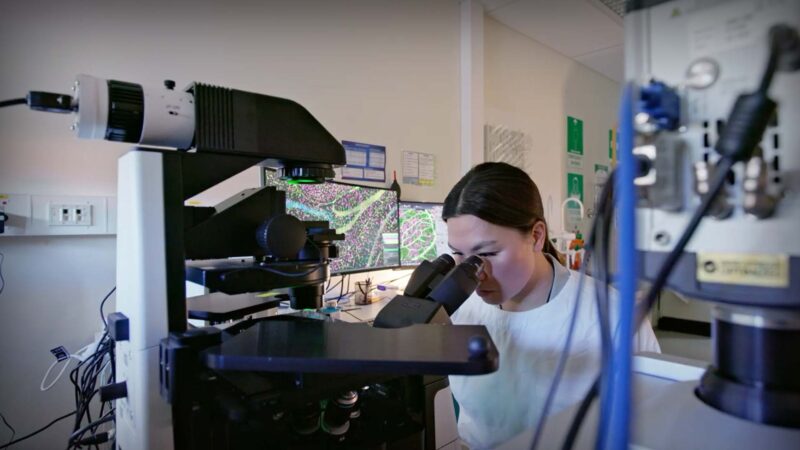
Identification & characterisation of molecular drivers of therapeutic resistance

Search Researchers / Research
Recent Profiled Researchers
- Paramedicine workforce across Australian & New Zealand
- Trials in treating STIs, vaccines and lipid lowering medications
- Therapy to prevent hepatocellular carcinoma in people with liver cirrhosis
- Identification & characterisation of molecular drivers of therapeutic resistance
- Liver cancer & patient-derived tumour organoids
Categories
- Allied Health 1
- Alzheimer's 2
- Antenatal 1
- Antimicrobial Resistance 1
- Artificial Intelligence 1
- Association 1
- Bacteria 1
- Behavioural Science 1
- Biochemistry 1
- Biomarkers 1
- Biomaterials 2
- Blood Cancer 2
- Bone Health 3
- Bowel Cancer 3
- Brain 15
- Brain Cancer 1
- Breast Cancer 4
- Burden of Disease 2
- Cancer 19
- Cardiovascular 10
- CASE STUDY 9
- Clinical Trials 2
- Communicable Disease Control 1
- Dementia 10
- Dental 3
- Diabetes 4
- Digital Health / Biomarkers 2
- Ear, Nose, Throat ENT 7
- Emergency Medicine 4
- Europe 2
- Exercise 7
- Eyes 10
- Family Planning 3
- First Nations / Indigenous 1
- First Responders 1
- FUNDER PROFILE 1
- Gastrointestinal Tract 5
- General Practice 1
- Genetics 3
- Genomics 3
- Geriatric 1
- Government 2
- Health System Research 5
- Health Systems 1
- Health Workforce 4
- Hypertension 2
- Immunotherapy 4
- Indigenous 1
- Infection Prevention 2
- Infectious Disease 2
- Informatics 1
- Kidney 2
- Leukaemia 6
- LGBTQIA+ 1
- Liver 5
- Lung Cancer 7
- Lymphoma 2
- Materials science 2
- Medical Devices 7
- Medical Technology 2
- Medication 1
- Mental Health 8
- Metabolism 1
- Microbiology 3
- Microbiome 2
- Molecular biology 1
- Muscles 1
- Nanobiotechnology 6
- Neonatal 4
- North America 5
- Nutrition 5
- Obesity 1
- Oceania 140
- Oral Health 2
- Oral Medicine 3
- Ovarian Cancer 3
- Pain 1
- Pancreatic cancer 1
- Paramedicine 3
- Pathology 2
- Pediatric / Paediatric 10
- Pediatric Diseases 5
- Photonics/Laser 1
- Physiology 1
- Physiotherapy 1
- Podiatry 3
- Policy and/or position statement 5
- Population 4
- Population Health 1
- Precision Medicine 1
- Pregnancy and Child Birth 1
- Prostate Cancer 1
- Psychiatry 4
- Rare Genetic Disorders 4
- Regional, Rural and Remote 3
- Research 22
- RESEARCH CAREER PROFILE 1
- RESEARCH IMPACT 4
- RESEARCHER PROFILE 128
- Respiratory 3
- Sarcoma 1
- Sleep 3
- Spinal cord injury 2
- Stem Cells 4
- Stroke care 1
- Surgery 4
- Trauma 1
- Vaccines 3
- Worldwide 3