Cancer

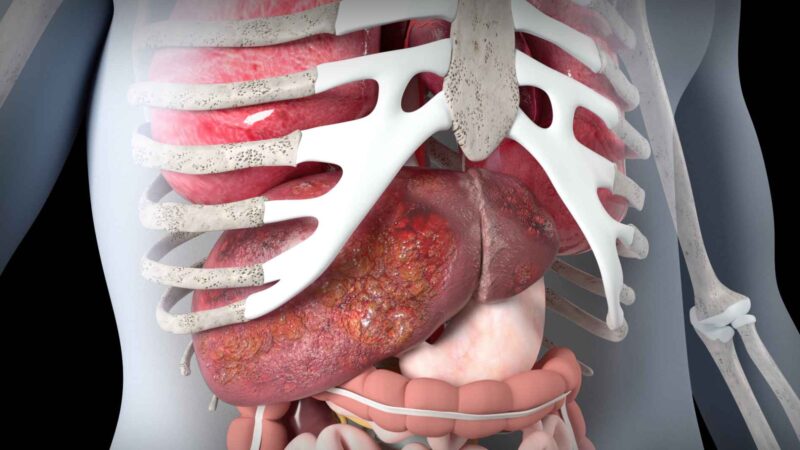
Therapy to prevent hepatocellular carcinoma in people with liver cirrhosis

Professor John Olynyk is a Gastroenterologist & Hepatologist with over 30 years’ experience, primarily at The Fiona Stanley & Fremantle Hospital Group. He planned the Gastroenterology and Hepatology Service for the Fiona Stanley Hospital and was Head Department from 2010 until 2020.

Professor John Olynyk was appointed as Associate Dean and Head of the Medical Discipline at Curtin University in 2023 until 2025 and is now Associate Director, Clinical Engagement, Curtin Medical Research Institute, Curtin University.
Identification & characterisation of molecular drivers of therapeutic resistance

Professor Pieter Eichhorn is an internationally experienced cancer biologist and research leader whose career has been defined by high-impact contributions at the interface of functional genomics, translational oncology, and research infrastructure strategy.

He completed his PhD at the University of Newcastle upon Tyne, contributing to the cloning of the gene associated with Cornelia de Lange Syndrome, before undertaking postdoctoral training at the Netherlands Cancer Institute in the laboratory of René Bernards. There, he performed pioneering functional genetic screens that identified key regulators of oncogenesis and therapy resistance, including critical roles for the PI3K signalling pathway in resistance to targeted breast cancer therapies.

Liver cancer & patient-derived tumour organoids

Dr Benjamin Dwyer is a translational cancer researcher driven by a clear purpose: to ensure discoveries made in the laboratory genuinely improve outcomes for patients.

Based at Curtin University, he established and now leads the organoid platform within the Liver Cancer Collaborative and directs the WA Organoid Innovation Hub, working at the intersection of biology, medicine and biotechnology to accelerate new treatments for liver cancer.

Liver cancer biomarkers, risk prediction & progression

Dr. Rodrigo Carlessi is an expert in Cancer Genomics and Molecular Biology, with an extensive track record in liver cancer research. He leads the Cancer Genomics Group within the Liver Disease and Regeneration Laboratory at the Curtin Medical Research Institute. He has an impressive publication record, with 43 manuscripts that have collectively garnered over 2,680 citations. His research leverages cutting-edge genomics and transcriptomics technologies, as well as long-read DNA sequencing, to explore mechanisms, identify biomarkers, and develop therapeutic targets in liver disease and cancer.

Tyrosine Kinases in cancer recurrence

Dr Yu Yu leads the Oncology and Gynaecology Research Program at Curtin Medical Research Institute . Dr Yu is also a senior research fellow at Curtin Medical School.

Dr Yu Yu’s laboratory is working on better ways to treat cancers, particularly ovarian cancers which are resistant to conventional chemotherapy. The aims are for better informed treatment choice and reducing unnecessary exposure to ineffective chemotherapy and its potential adverse effects.

Mechanisms of resistance to menin inhibitor therapy and Acute Myeloid Leukaemia

Dr Rithin Nedumannil (MBBS, MPH, FRACP, FRCPA) is a PhD candidate at the University of Melbourne, undertaking his doctoral studies in collaboration with the Cambridge Stem Cell Institute (Cambridge, UK) and the Peter MacCallum Cancer Centre (Melbourne, Australia). He is a clinical haematologist and haematopathologist with current appointments at Peter MacCallum Cancer Centre, the Royal Melbourne Hospital, Austin Health and Northern Health.

Development of novel analytical and diagnostic tools using nanotechnology and microfluidics

Dr Alain Wuethrich is an NHMRC Emerging Leader fellow and ARC DECRA awardee at the Australian Institute for Bioengineering and Nanotechnology.

Hailing from Switzerland, research focuses on the development of novel analytical and diagnostic tools that harness nanotechnology and microfluidics; two rapidly growing fields with high potential to provide diagnostic solutions needed for precision medicine.

Cancer survivorship and exercise oncology

Professor Sandra Hayes is the Director of Research at Cancer Council Queensland (CCQ), where she leads a comprehensive cancer research program encompassing cancer epidemiology, prevention, detection, treatment, and survivorship.

With a BAppSci (Hons) and a PhD in exercise oncology, Professor Hayes’s expertise lies in quantifying the impact of cancer diagnosis and treatment on physical and psychosocial wellbeing, quality of life, and survival. She also evaluates innovative supportive care strategies, particularly exercise, to improve post-cancer lives.

Next-generation NK cell-based immunotherapies for hard-to-treat cancers

Associate Professor Fernando Guimaraes is an internationally recognised leader in cancer immunotherapy and natural killer (NK) cell biology. Based at The University of Queensland, he leads innovative research focused on developing next-generation NK cell-based immunotherapies for hard-to-treat cancers, including sarcomas and neuroblastoma.

Supportive care for people living with or beyond cancer treatment

Dr Hannah Wardill is a Hospital Research Foundation Fellow and lead of the Supportive Oncology Research Group (SORG), in the School of Biomedicine, University of Adelaide and Precision Cancer Medicine Theme, South Australian Health and Medical Research Institute (SAHMRI). She is an Executive Board Member of the Multinational Association for Supportive Care in Cancer / International Society for Oral Oncology (MASCC/ISOO) and Chair of both MASCC/ISOO Patient Partnership Committee & the Palliative Care Clinical Studies Collaborative (PaCCSC) Cancer Symptom Trials (Gut Dysfunction Node; supported by Cancer Australia).

Scroll to top